

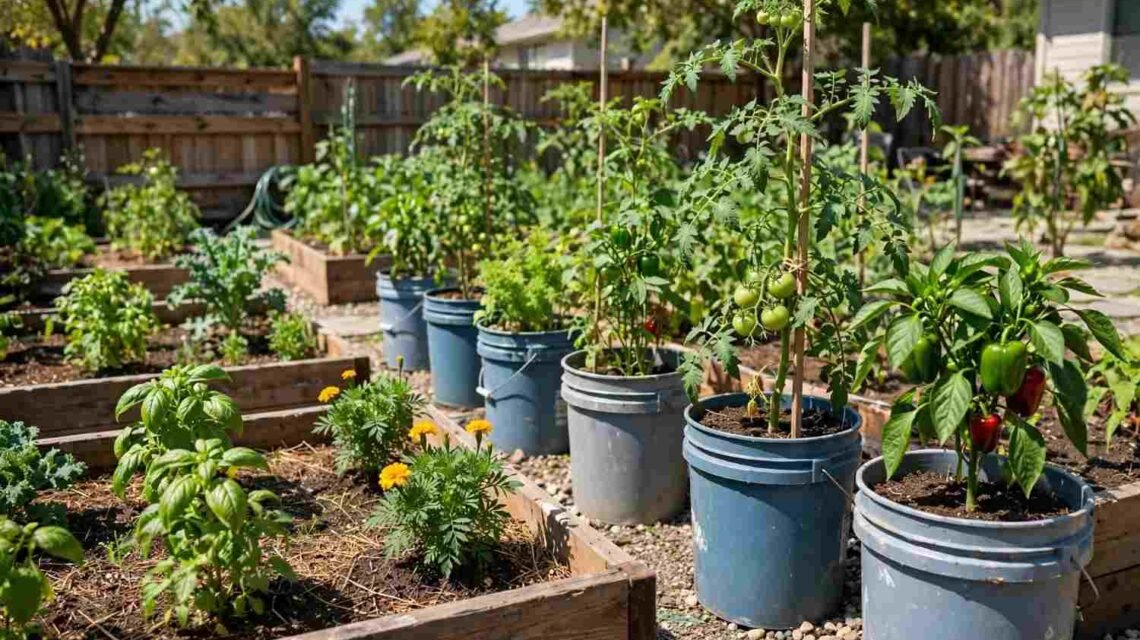
Cultivating fresh produce at home presents an appealing path toward self-sufficiency and improved nutrition. However, starting a backyard food plot can become expensive if you purchase specialized tools, decorative containers, and premade potting mixes without planning. Establishing an abundant food plot requires practical management, patience, and resourcefulness rather than large monetary investments. Applying thrifty approaches allows any grower to produce abundant yields while maintaining low expenditures. Here are nine dependable tactics to cultivate a productive edible plot without overspending.
1. Select the Best Low-Cost Garden Location
Choosing the right physical site directly impacts plant vigor and reduces the need for expensive soil amendments and supplemental fixtures.
Map Daily Sunlight Patterns
Most fruiting food crops demand at least six to eight hours of direct solar exposure each day. Observe your outdoor plot throughout daylight hours before digging beds or setting up containers. Setting crops in optimal native light eliminates the necessity for artificial grow lights or relocating struggling vegetation later in the season.
Assess Natural Drainage and Water Access
Heavy rainfall must drain away naturally to prevent root rot. Placing your beds near an accessible outdoor spigot or roof downspout reduces the work needed to haul buckets, saving physical energy and lowering the expense of purchasing extended garden hoses.
2. Source Low-Cost Containers and Growing Vessels
Purchasing decorative ceramic or specialized fabric pots quickly escalates upfront costs. Repurposing clean, food-grade household items keeps materials out of landfills while sheltering root systems effectively. However, choosing suitable containers with proper drainage is essential to prevent waterlogging and other mistakes that stunt plant growth. By selecting affordable, reusable containers and providing adequate space for healthy root development, gardeners can grow fresh herbs and vegetables without overspending.
Use Discarded Food Buckets
Five-gallon buckets from bakeries or restaurants make durable planters for deep-rooted crops like tomatoes, peppers, and bush squash. Wash them thoroughly with warm, soapy water to eliminate oil residues.
Drill Vital Drainage Openings
Drill four to six half-inch holes through the base of each repurposed bucket. Proper drainage prevents stagnant moisture from suffocating delicate root hairs and causing fungal infections.
3. Build Nutrient-Dense Soil from Scratch
Rich, biologically active earth serves as the foundation for vibrant vegetable development. Instead of purchasing countless bags of commercial potting blends, you can manufacture balanced blends at home.
Gather Free Organic Matter
Collect fallen deciduous leaves, untransformed wood chips from municipal trimmings, and grass clippings free from chemical treatments. Layering these items provides structural support and microbial nourishment for underground organisms.
Maintain an Active Backyard Compost Pile
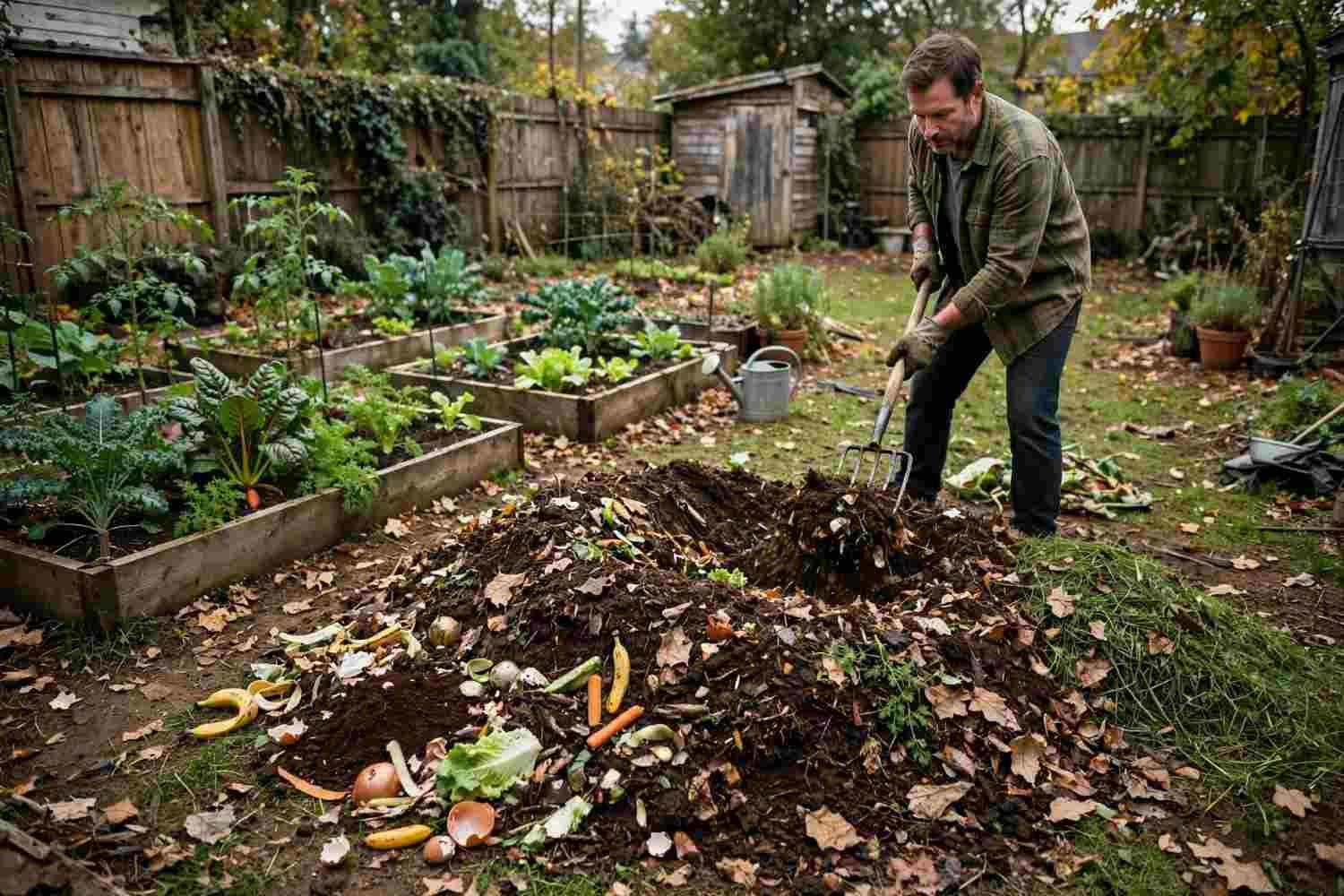
Combine carbon-heavy brown materials such as dry cardboard or straw with nitrogen-heavy green scraps from kitchen vegetable preparation. Moisten the pile and turn it every couple of weeks. Over several months, these discarded kitchen scraps transform into crumbly compost that nourishes hungry vegetables for free.
4. Secure Economical Seeds and Rootstock
Acquiring plant genetics does not demand large expenditures if you plan purchases carefully and collaborate with neighboring growers.
Time Purchases with Clearance Events
End-of-season closeouts and merchant discounts provide remarkable opportunities to build an extensive stock of crops. Taking advantage of an end-of-season sale on seeds lets thrifty growers collect heirloom squash, crisp greens, and root crops at a fraction of standard retail rates. Store leftover packets inside airtight jars kept in cool, dark closets to preserve high germination percentages for upcoming cycles.
Participate in Community Seed Swaps
Public libraries, botanical groups, and neighborhood centers frequently host exchange days. Bring extra varieties you have gathered to trade for regional selections that flourish in your native microclimate.
5. Propagate Plants from Cuttings and Scraps
Certain edible species reproduce rapidly from vegetative cuttings or kitchen remnants, bypassing seed starting entirely.
Root Culinary Herbs in Fresh Water
Herbs like basil, mint, oregano, and rosemary produce root systems rapidly when stem cuttings sit in plain water. Strip the lower leaves and place the stems near a bright window sill. Transplant these rooted cuttings into garden beds once strong root systems emerge.
Regrow Allium Scraps
The rooted bases of scallions, leeks, and garlic cloves can go directly into loose soil. They will push out fresh green foliage repeatedly, supplying kitchen seasoning throughout the entire growing season without additional seed costs.
6. Install Simple Moisture Management Systems
Water utility bills can climb quickly during summer months without thoughtful conservation measures.
Apply Thick Organic Mulch
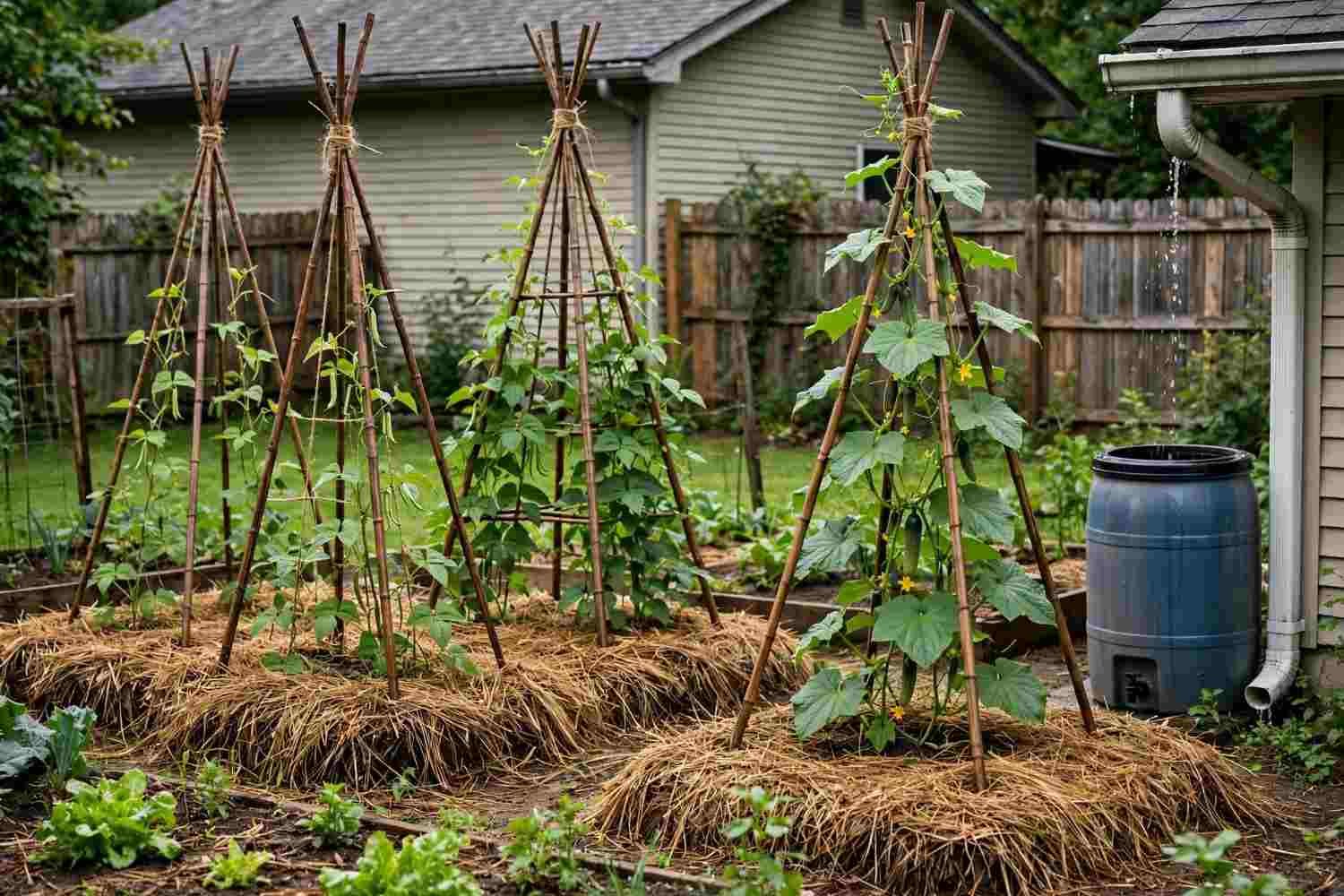
Cover open soil surfaces with a three-inch layer of clean straw, dry leaves, or untreated wood shavings. Mulch blocks direct solar evaporation, preserves underground moisture, suppresses weed germination, and maintains cool root zone temperatures.
Catch Rainwater in Sturdy Drums
Position storage barrels under gutter downspouts to capture natural rainfall. Rainwater lacks municipal treatment additives like chlorine, making it an exceptional, cost-free resource for irrigating fragile seedlings.
7. Construct Upcycled Plant Supports and Trellises
Climbing vining varieties yield more produce per square foot when trained vertically, yet commercial wire cages are often flimsy and expensive.
Build Bamboo or Branch Tepees
Collect fallen tree branches or wild bamboo canes to create rustic A-frame trellises. Tie the apex securely with natural jute twine to support heavy pole beans, peas, and climbing cucumbers.
Repurpose Metal Fencing Remnants
Salvaged sections of wire fencing or concrete reinforcing mesh can be bent into sturdy arched tunnels. These structures easily support sprawling squash while keeping leaves off moist ground, lowering foliar disease risks.
8. Prevent Pests with Household Solutions
Chemical pesticides harm beneficial pollinators and drain financial reserves. Natural deterrents frequently rely on materials already present in home pantries.
Spray Diluted Horticultural Soap
Blend a small amount of liquid castile soap with clean water inside a spray bottle to manage soft-bodied pests like aphids and spider mites. Apply the solution directly to affected foliage during early morning hours to avoid leaf scorch.
Practice Strategic Companion Planting
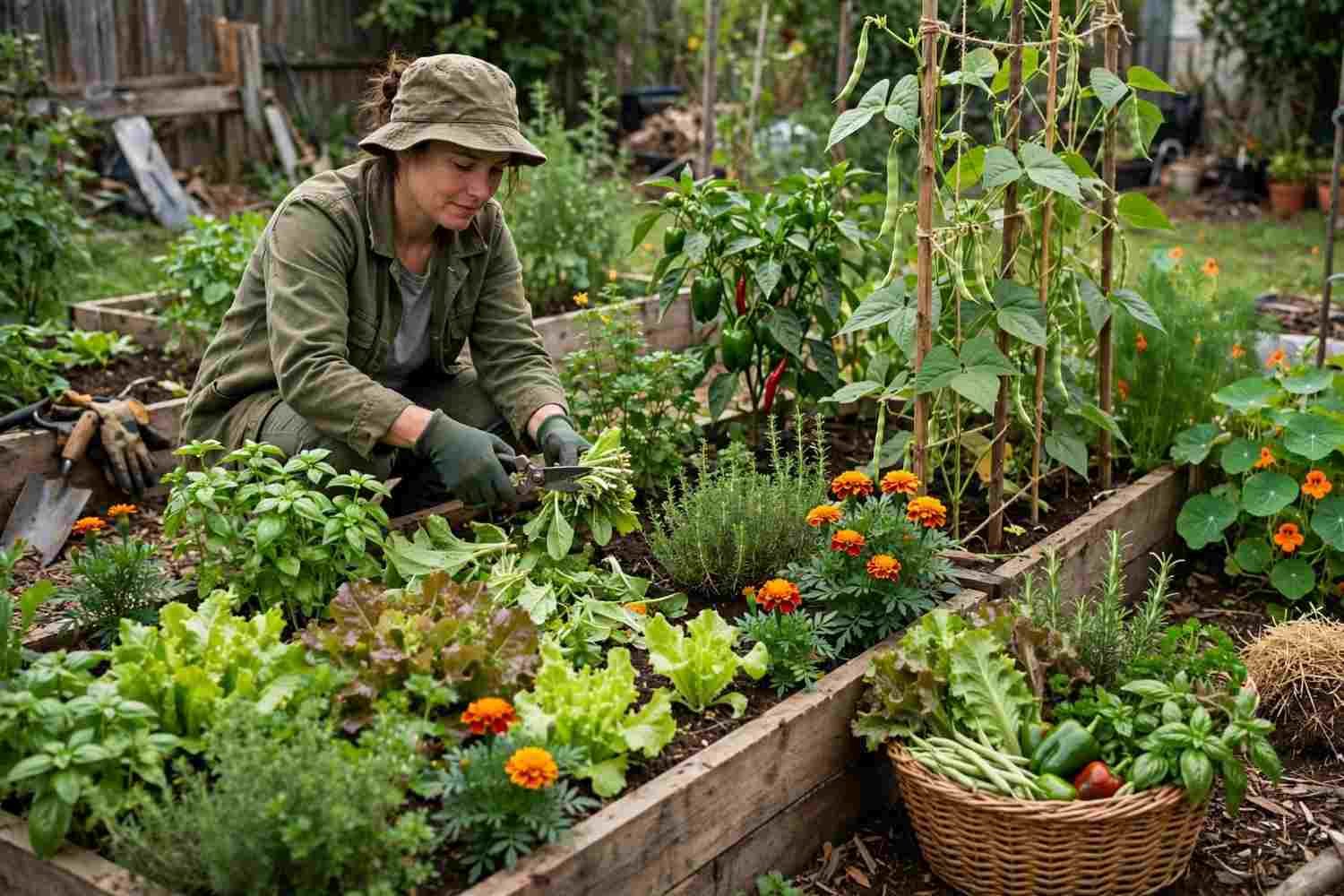
Interplant strong-scented herbs and flowering annuals like marigolds alongside delicate greens. The pungent aromatic compounds confuse flying pests and draw predatory insects like ladybugs that consume destructive garden intruders.
9. Harvest Continually to Maximize Individual Yields
Gathering your crops with proper technique ensures each plant produces food over an extended timeframe rather than all at once.
Apply the Cut-and-Come-Again Method
Clip outer foliage from loose-leaf lettuces, spinach, and Swiss chard, leaving the central growing tip intact. The plant will continuously develop new leaves, providing weekly salads from a modest footprint.
Pick Pods and Fruits Early
Do not permit beans, squash, or peppers to overripen on the vine. Regular harvesting signals the plant to produce additional blossoms and set more fruit throughout the growing cycle.