
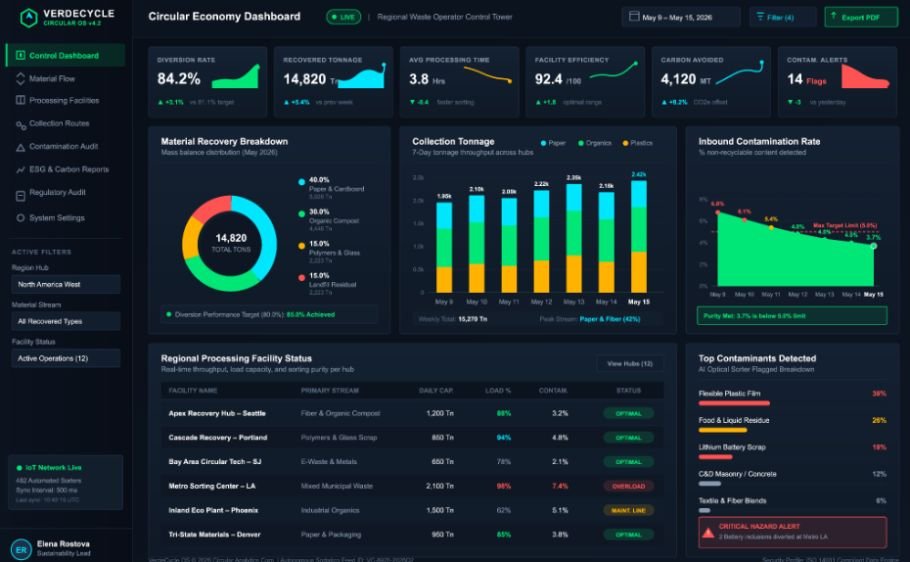
Supply chains generate enormous amounts of information, but information alone does not prevent shortages, delays, excess inventory, or rising transportation costs. Businesses need connected systems that turn raw data into timely decisions.
When I examine modern operations, I see technology for supply chain management acting as the link between suppliers, warehouses, transportation providers, employees, and customers. It helps organizations understand what they have, where it is, when it will arrive, and what action they should take next. However, selecting the right technology requires matching each tool to a real operational problem rather than following trends.
What Is Supply Chain Technology?
Supply chain technology includes the software, connected devices, automated equipment, and analytical tools used to manage the movement of products, materials, data, and payments.
Some systems coordinate purchasing and inventory, while others manage warehouses or transportation. Connected sensors collect information from physical goods, and analytics platforms convert that information into forecasts and alerts. Together, these tools create a digital supply chain in which departments can work from shared, current information.
Why Has Supply Chain Technology Become So Important?
Traditional supply chains often rely on spreadsheets, manual checks, separate databases, and delayed reports. These methods make it difficult to detect changing demand or respond quickly to a disruption.
Digital tools give decision-makers greater visibility across operations. A company can identify a delayed shipment, declining inventory level, equipment problem, or supplier risk before it becomes a larger customer-service issue. Automation can also reduce repetitive work, improve accuracy, and allow employees to concentrate on exceptions that require human judgment.
Which Technologies Are Used in Supply Chain Management?
Enterprise Resource Planning Systems
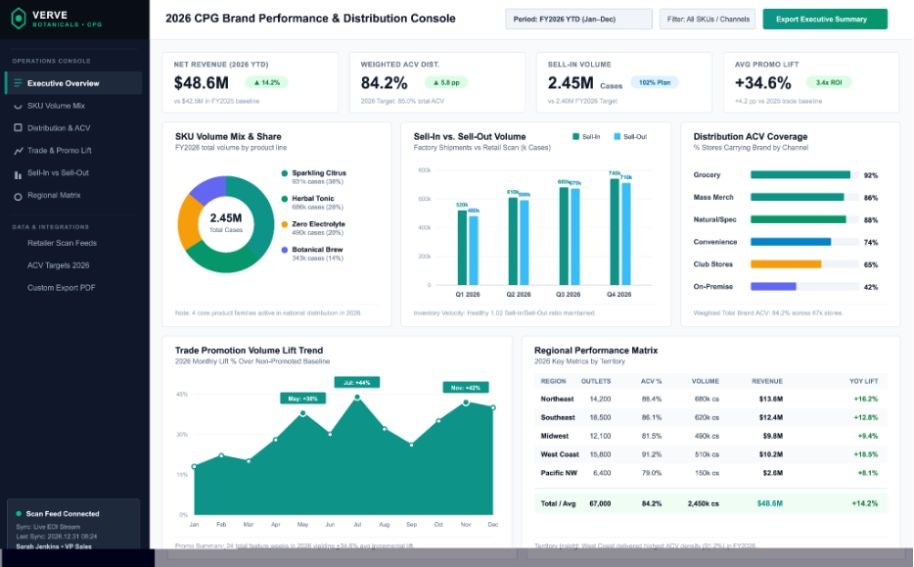
An enterprise resource planning system connects essential business functions such as purchasing, accounting, production, sales, and inventory. Instead of storing information in disconnected applications, an ERP creates a shared operational record.
This connection helps purchasing teams understand demand, allows finance departments to monitor costs, and gives operations teams a clearer view of available materials. ERP systems often provide the foundation on which more specialized supply chain applications operate.
Warehouse Management Systems
A warehouse management system controls inventory movement inside a distribution center. It can direct receiving, putaway, replenishment, picking, packing, and shipping activities.
A WMS also records where products are stored and may recommend efficient picking routes.
For ecommerce businesses, these capabilities can complement ecommerce inventory tracking for beginners by keeping stock records, warehouse activity, and order fulfillment more closely aligned. When connected to scanners, automation equipment, and an ERP, it reduces misplaced inventory and supports faster order fulfillment.
When connected to scanners, automation equipment, and an ERP, it reduces misplaced inventory and supports faster order fulfillment.
Transportation Management Systems
A transportation management system helps organizations plan, execute, and evaluate freight movement. It can compare carriers, consolidate loads, optimize routes, generate shipping documents, and track transportation expenses.
Businesses can use this information to reduce empty miles, improve delivery reliability, and understand the true cost of serving particular customers or locations.
Artificial Intelligence and Machine Learning
Artificial intelligence can analyze historical sales, current orders, weather patterns, promotions, supplier performance, and other variables. Machine-learning models then identify patterns that may be difficult to detect manually.
These capabilities support demand forecasting, inventory planning, route optimization, supplier-risk detection, and predictive maintenance with AI. AI is most effective when it receives reliable data and operates with human oversight. Weak or incomplete information can still produce misleading recommendations.
Predictive Analytics and Big Data
Traditional reports explain what already happened. Predictive analytics estimates what is likely to happen next.
A planning team might use it to anticipate seasonal demand, identify products at risk of stocking out, or estimate the probability of a shipment arriving late. Prescriptive analytics goes further by recommending an appropriate response, such as adjusting safety stock or selecting another transportation route.
IoT Sensors, RFID and GPS Tracking
Internet of Things sensors gather information from products, pallets, vehicles, machines, and storage environments.
Businesses can apply these connected technologies across operations through internet of things applications in business, including real-time monitoring, asset tracking, and condition monitoring. Depending on the application, they can monitor location, temperature, humidity, vibration, or equipment condition.
RFID tags and barcode systems improve inventory identification, while GPS and telematics provide vehicle and shipment visibility. These tools are especially valuable for food, medicine, electronics, and other goods that require controlled handling or accurate traceability.
Robotics and Warehouse Automation
Robotics can assist with picking, sorting, packing, pallet movement, and inventory counting. Automated storage and retrieval systems can also place and retrieve goods from high-density storage areas.
The purpose is not limited to reducing labor. Well-designed automation can improve consistency, ergonomics, warehouse capacity, and processing speed. The strongest applications usually target repetitive, predictable tasks while employees handle judgment, maintenance, and unusual situations.
Cloud Computing and System Integration
Cloud platforms allow authorized employees and partners to access current information without maintaining every application on local infrastructure. They also make it easier to scale capacity and deploy updates across locations.
Application programming interfaces connect ERP, warehouse, transportation, ecommerce, supplier, and customer systems. Without effective integration, companies may simply replace isolated spreadsheets with isolated software.
Digital Twins and Control Towers
A digital twin is a virtual representation of a supply chain, facility, process, or asset. Businesses can use it to test scenarios without disrupting live operations. For example, planners can model what might happen if a supplier closes, demand rises suddenly, or a distribution center loses capacity.
A supply chain control tower combines information from multiple systems in a centralized view. It can highlight disruptions, prioritize alerts, and help teams coordinate their responses.
Blockchain and Traceability Systems
Blockchain creates a shared record that can be difficult to alter without detection. Its supply chain applications include verifying origins, recording custody transfers, supporting recalls, and authenticating valuable goods.
However, blockchain is not automatically the best solution for every traceability problem. Standard databases may be simpler when one trusted organization controls the process. Blockchain becomes more relevant when multiple parties require a shared, verifiable record.
What Benefits Can Businesses Expect?
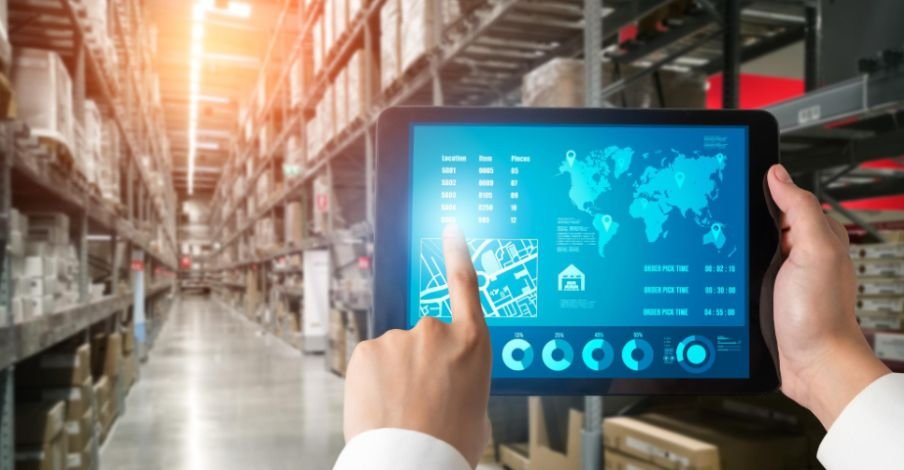
Effective supply chain technology can improve forecast accuracy, inventory availability, order speed, transportation planning, supplier collaboration, and product traceability. It can also reduce manual errors and provide earlier warnings about disruptions.
The results depend on implementation quality. Purchasing advanced software will not repair inaccurate data, unclear processes, or poor accountability. Technology creates the most value when it supports defined workflows and measurable goals.
How Should a Business Choose the Right Technology?
The selection process should begin with a specific operational problem. A company experiencing inaccurate stock records may need barcode scanning and a better WMS. One facing high freight costs may gain more from a TMS. Frequent forecasting errors could justify demand-planning analytics.
Before investing, decision-makers should examine integration requirements, data quality, cybersecurity, employee training, scalability, vendor support, and total ownership costs. A limited pilot can reveal problems before a company commits to a large rollout.
Useful performance indicators include inventory accuracy, forecast error, order-cycle time, on-time delivery, fulfillment cost, stockout frequency, warehouse productivity, and return on investment.
Frequently Asked Questions
1. What is the most important technology for supply chain management?
There is no single best system for every organization. ERP provides a useful foundation, but the right choice depends on whether the primary problem involves planning, inventory, warehousing, transportation, visibility, or supplier coordination.
2. How does AI help a supply chain?
AI analyzes large datasets to improve forecasts, detect risks, optimize routes, recommend inventory levels, and predict equipment failures. Reliable data and human review remain essential.
3. Can smaller businesses use supply chain technology?
Yes. Smaller organizations can begin with cloud inventory software, barcode scanning, shipment tracking, and automated order management. These tools can produce meaningful improvements without requiring extensive warehouse robotics.
4. What prevents successful technology adoption?
Common obstacles include inaccurate data, disconnected systems, unclear objectives, cybersecurity weaknesses, insufficient training, employee resistance, and failure to measure results.
Final Thoughts
I view digital transformation as a gradual operational improvement rather than a single software purchase. The best results come from identifying the most expensive or disruptive problem, establishing a performance baseline, and testing a focused solution.
Once that solution delivers measurable value, the organization can integrate additional systems and automate more processes. This practical approach creates a connected, visible, and resilient supply chain without allowing technology to become more complicated than the problem it was introduced to solve.