
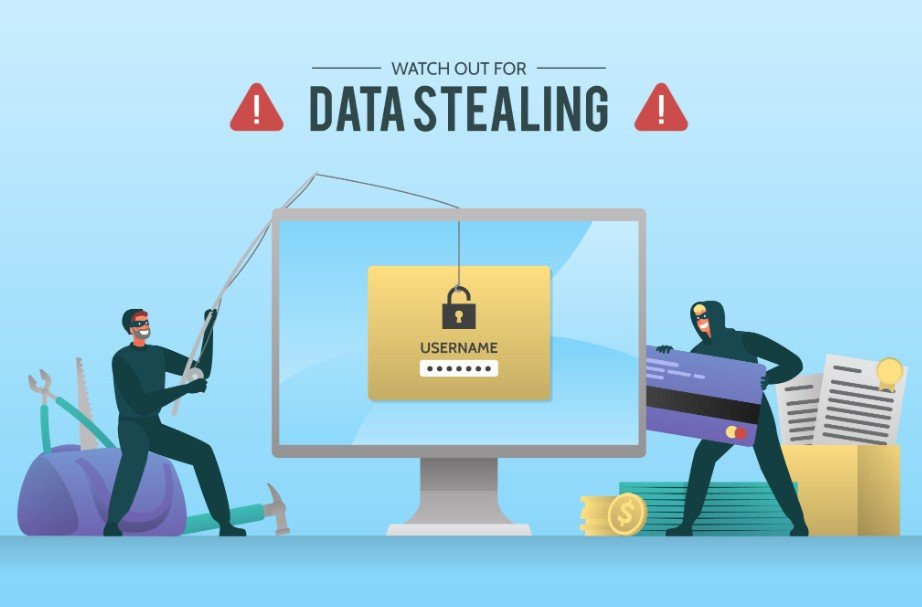
A data breach rarely begins with an obvious, dramatic attack. It may start with an employee approving a fraudulent login request, an administrator forgetting to remove an old account, or a cloud folder being shared with the wrong permissions. I believe that understanding these ordinary vulnerabilities is the first step toward building stronger security.
Learning how businesses can prevent data breaches is not simply an IT responsibility. Executives, department managers, employees, contractors, and technology providers all influence how company information is handled. Organizations need a coordinated strategy that reduces opportunities for unauthorized access, detects suspicious activity, and limits the damage if an attacker gets inside.
What Causes a Business Data Breach?
Stolen credentials are a common entry point. Attackers use phishing emails, fake login pages, password reuse, malware, and social engineering to acquire legitimate account details. Because the criminal appears to be an authorized user, the activity may not trigger a basic security alert.
Unpatched software creates another significant opening. Cybercriminals actively scan websites, virtual private networks, servers, and internet-facing applications for known vulnerabilities. A delayed security update can leave an exploitable weakness available long after a vendor has released a fix.
Businesses must also consider cloud misconfigurations, lost devices, malicious insiders, accidental disclosures, and third-party access. A well-meaning employee can expose confidential information by selecting the wrong email recipient or creating a public sharing link. Vendors may introduce additional risk when they receive broad or permanent access to internal systems.
Identify and Classify Sensitive Information
A business cannot properly secure data unless it knows what it possesses and where that information is stored. The initial inventory should include customer records, payment details, employee files, login credentials, intellectual property, contracts, email accounts, cloud applications, physical documents, and backup systems.
Information should then be classified by sensitivity and potential business impact. Public marketing material does not require the same controls as Social Security numbers, health records, financial information, or confidential product designs.
Organizations should also adopt clear retention schedules. Old customer files, unused employee accounts, duplicate databases, and forgotten backups create unnecessary exposure. Securely deleting information that no longer has a legitimate business or legal purpose reduces what an attacker could steal.
Strengthen Identity and Access Controls
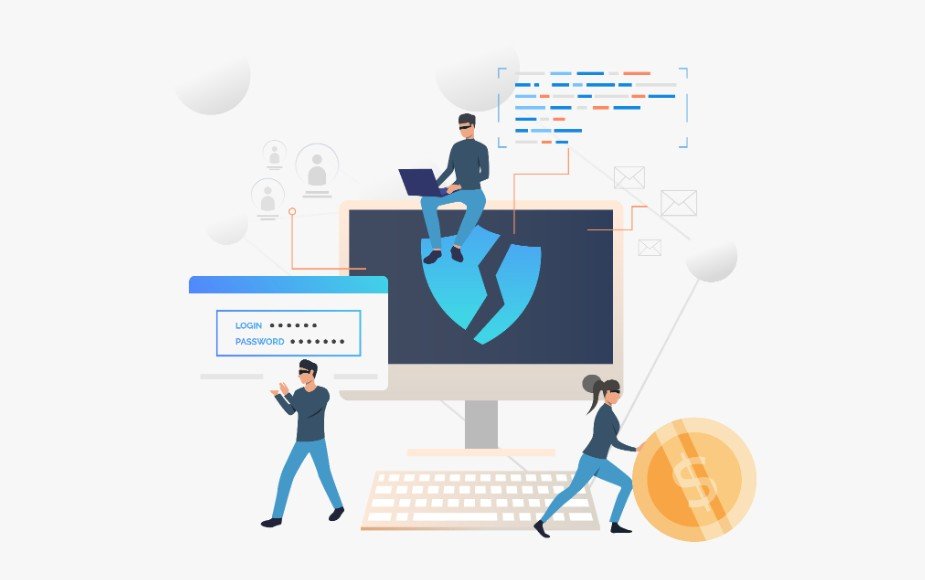
Every employee should have an individual account protected by a unique password. A company-approved password manager can generate and store strong credentials, reducing password reuse and insecure practices such as saving passwords in spreadsheets.
Multi-factor authentication should be mandatory for email, cloud platforms, remote access, financial systems, administrator accounts, and any service containing sensitive data. Whenever possible, organizations should use passkeys, authenticator applications, or hardware security keys instead of relying exclusively on text-message codes.
Access should follow the principle of least privilege. Employees should only receive permissions necessary for their current responsibilities. Administrators must review access regularly, remove inactive accounts, and revoke credentials immediately when an employee or contractor leaves. Separate administrator accounts also prevent everyday browsing or email activity from exposing powerful system privileges.
Patch Systems and Secure Connected Devices
Businesses should maintain an inventory of computers, mobile devices, servers, applications, network equipment, and internet-facing services. Supported software must be updated promptly, with urgent attention given to actively exploited vulnerabilities and systems accessible from the internet.
Endpoint security should cover company laptops, remote computers, and mobile devices. Full-device encryption, screen locking, malware protection, remote-wipe capabilities, and restrictions on unapproved software can reduce the danger created by a lost or compromised device.
Network segmentation provides another protective layer. Separating sensitive systems from guest Wi-Fi, ordinary employee devices, and public services can restrict an attacker’s movement after one account or machine is compromised.
Encrypt and Back Up Important Data
Sensitive information should be encrypted while stored and while moving between devices, applications, or cloud services. Encryption can make stolen files unreadable, but businesses must also protect encryption keys and limit who can use them.
Backups are essential for recovery from ransomware, equipment failure, and destructive attacks.
Small businesses can strengthen this recovery process by following practical data backup solutions for small businesses that keep current copies protected and accessible when primary systems are compromised.
At least one current backup should be isolated from ordinary administrative accounts so malware cannot easily encrypt or erase it.
Creating a backup is not enough. The organization should conduct restoration tests to verify that its files are complete, usable, and recoverable within an acceptable period.
Turn Employees Into an Active Defense
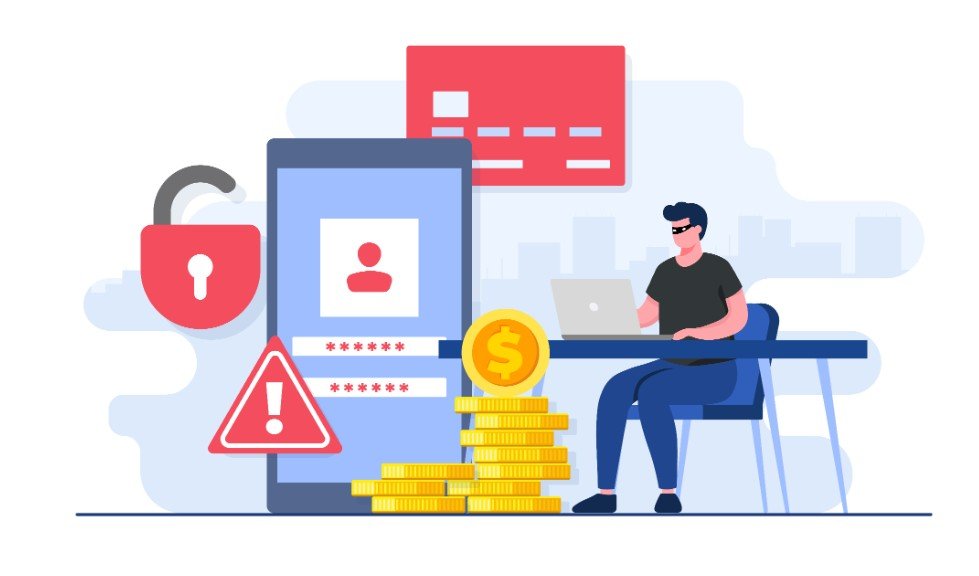
Annual presentations alone rarely change security behavior. Training should use short, recurring lessons based on threats employees may actually encounter, including fake invoices, urgent payment requests, fraudulent password resets, suspicious attachments, and multi-factor authentication fatigue attacks.
Simulated phishing exercises can identify where additional coaching is needed, but they should educate rather than embarrass employees. Every worker must know how and where to report a suspicious message, lost device, accidental disclosure, or unexpected login prompt.
A quick reporting culture is critical. Employees who fear punishment may hide mistakes, allowing a small incident to become a serious breach.
Assess Vendors and Cloud Services
Third-party providers can process customer information, connect to internal systems, or hold valuable credentials. Before granting access, businesses should examine how a vendor encrypts information, manages accounts, patches systems, uses subcontractors, responds to incidents, and deletes data when a contract ends.
Contracts should establish security responsibilities, access limitations, breach-notification expectations, and data-return or destruction requirements. Vendor permissions must also be reviewed periodically rather than remaining active indefinitely.
Cloud applications require similar oversight. Administrators should check sharing settings, exposed storage, integration permissions, API keys, administrator roles, and unusual sign-ins. Unapproved software and AI services can create shadow IT when employees upload confidential information without understanding how it will be stored or reused.
Monitor, Test, and Prepare for an Incident
Logs from email, cloud accounts, endpoints, firewalls, and critical applications can reveal abnormal sign-ins, mass downloads, changed permissions, or unusual data transfers.
Organizations can also use data analytics for business decisions to turn security and operational data into actionable insights when reviewing unusual activity, trends, and potential risks.
Alerts must be assigned to someone who can investigate and escalate them quickly.
Security controls should be tested through vulnerability scans, access reviews, phishing exercises, penetration tests, backup restorations, and incident-response simulations. Compliance checklists may establish useful requirements, but passing an audit does not prove that every defense works against current threats.
An incident-response plan should define who isolates affected systems, preserves evidence, contacts legal counsel, coordinates forensic investigation, and manages notifications. Practicing the plan helps teams respond under pressure without improvising important decisions.
Frequently Asked Questions
1. How can a small company begin preventing data breaches?
A small company should start by enabling multi-factor authentication, updating exposed systems, encrypting devices, confirming recoverable backups, removing inactive accounts, and training employees to report phishing. These relatively affordable measures address several common attack paths.
2. What is the most important security measure?
No single control can stop every incident. Strong authentication, timely patching, restricted access, employee awareness, monitoring, and tested backups work best as overlapping layers.
3. How often should cybersecurity training occur?
Businesses should provide training during onboarding and reinforce it throughout the year. Short quarterly lessons and targeted exercises are generally more useful than relying on one annual session.
4. How businesses can prevent data breaches caused by vendors?
Companies should assess vendor security before providing access, restrict permissions, include protection requirements in contracts, monitor connections, and remove access when it is no longer required.
Building a More Resilient Business
I view breach prevention as a continuous business process, not a product that can be installed once and forgotten. Threats, employees, vendors, applications, and stored information change constantly, so protective controls must evolve with them.
The strongest organizations combine data minimization, secure identities, timely updates, employee participation, vendor oversight, continuous monitoring, and rehearsed response procedures. This layered approach cannot promise that an incident will never occur, but it can make intrusion more difficult, detection faster, and recovery far less disruptive.