

The first five years of a child’s life represent an extraordinary period of rapid brain growth, emotional discovery, and social development. During these formative early years, a child’s brain forms neural connections at an astounding pace, laying the cognitive, emotional, and physical foundation for all future learning and well-being. Understanding the crucial importance of early childhood development empowers parents, caregivers, and educators to create enriching environments that nurture curiosity, resilience, and lifelong success from the very beginning.
Rapid Brain Development and Neural Architecture Building
During the early childhood years, the human brain undergoes its most dramatic period of architectural construction. At birth, a newborn’s brain contains nearly all the neurons it will ever have, but the complex neural connections linking these cells develop rapidly in response to early life experiences.
Neuroscientists estimate that in the first few years of life, the brain forms more than one million new neural connections every single second. These neural pathways dictate how a child processes sensory information, learns language, manages emotions, and solves complex problems. Repeated positive experiences strengthen specific connections, while unused pathways naturally prune away over time through a process known as synaptic pruning.
Creating a responsive, stimulating environment rich in verbal interaction, physical touch, and playful exploration ensures that these critical neural networks form securely. Early cognitive stimulation establishes an efficient neurological framework that makes future academic learning and skill acquisition significantly easier throughout adolescence and adulthood.
The Mechanism of Synaptic Pruning and Pathway Strengthening
Frequent, positive interactions reinforce specific neural pathways, making them permanent structural routes for future cognitive processing.
Unstimulated pathways gradually wither away, making early enriched environments vital for long-term brain plasticity. Synaptic development dictates cognitive capacity.
Serve and Return Interactions Between Caregivers and Infants
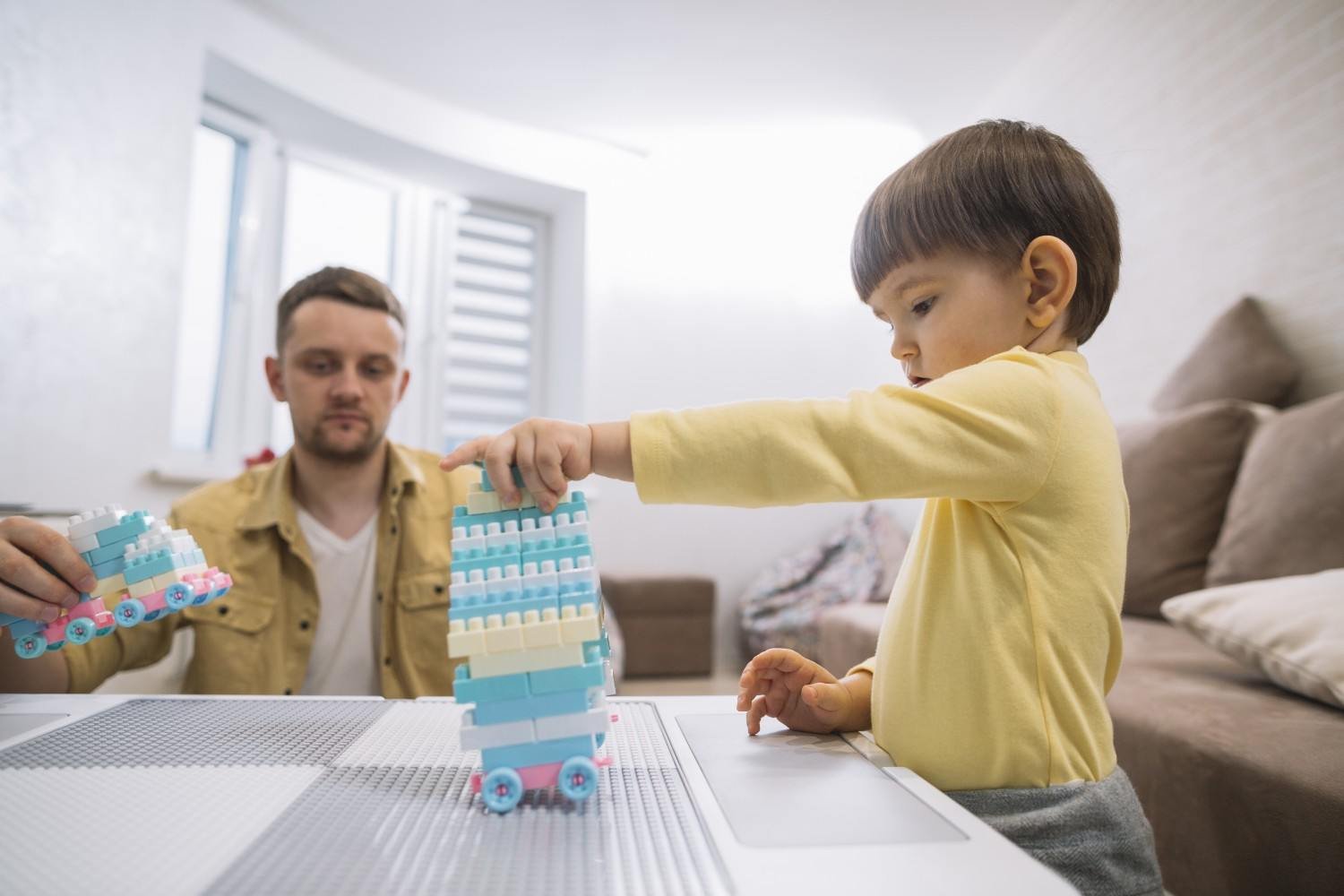
Infant vocalizations and gestures answered by responsive adult smiles and words build essential communicative brain circuits naturally.
Back-and-forth social exchanges validate emotional security while accelerating early language acquisition. Responsive interactions strengthen neural connections.
Cultivating Emotional Resilience and Secure Attachment Networks
Early childhood is the foundational period for developing emotional regulation, empathy, and personal resilience. A child’s initial emotional experiences are filtered through their primary relationships with parents, family members, and early childhood educators.
Establishing secure attachment relationships provides young children with a safe emotional base from which they can confidently explore the world. When caregivers respond consistently and empathetically to a child’s distress signals, the child learns that their emotional needs are valid and manageable, fostering deep psychological security.
This sense of emotional safety lowers chronic stress hormones, such as cortisol, which can otherwise disrupt delicate developing brain structures. Children who enjoy secure early attachments demonstrate greater emotional regulation, higher self-esteem, and stronger coping mechanisms when facing adversity later in life.
Managing Cortisol Levels Through Empathetic Caregiving
Consistent, soothing responses from caring adults prevent toxic stress from disrupting delicate developing limbic system structures.
Lowering chronic cortisol exposure protects cognitive function while building healthy biological stress responses. Empathetic caregiving shields emotional stability.
Developing Self-Regulation and Impulse Control Skills
Guiding toddlers gently through emotional frustration helps them transition from external adult regulation to internal self-control.
Mastering emotional self-regulation enables young children to focus attention and manage behavioral impulses effectively. Self-regulation skills drive social success.
Social Skill Acquisition and Peer Relationship Dynamics
Before entering formal schooling, young children must learn the subtle, complex art of navigating peer relationships and group social dynamics. The early years provide a safe sandbox for discovering cooperation, sharing, negotiation, and conflict resolution.
Through interactive group play, young children begin to understand that others possess feelings, perspectives, and needs different from their own—a crucial cognitive milestone known as developing a theory of mind. Experiencing guided group activities helps children learn to wait their turn, share resources, and express needs constructively.
Enrolling young learners in structured early childhood environments, such as a high-quality Montessori preschool in Bountiful, offers invaluable opportunities to practice these emerging social competencies under gentle teacher guidance. Early social mastery prevents peer isolation and fosters positive attitudes toward cooperative learning.
The Role of Play in Theory of Mind Development
Engaging in cooperative pretend play encourages children to step into different social roles and understand diverse emotional perspectives.
Sharing imaginary scenarios builds empathetic capacity and expands social comprehension naturally. Cooperative play accelerates empathetic growth.
Navigating Early Peer Conflicts Constructively
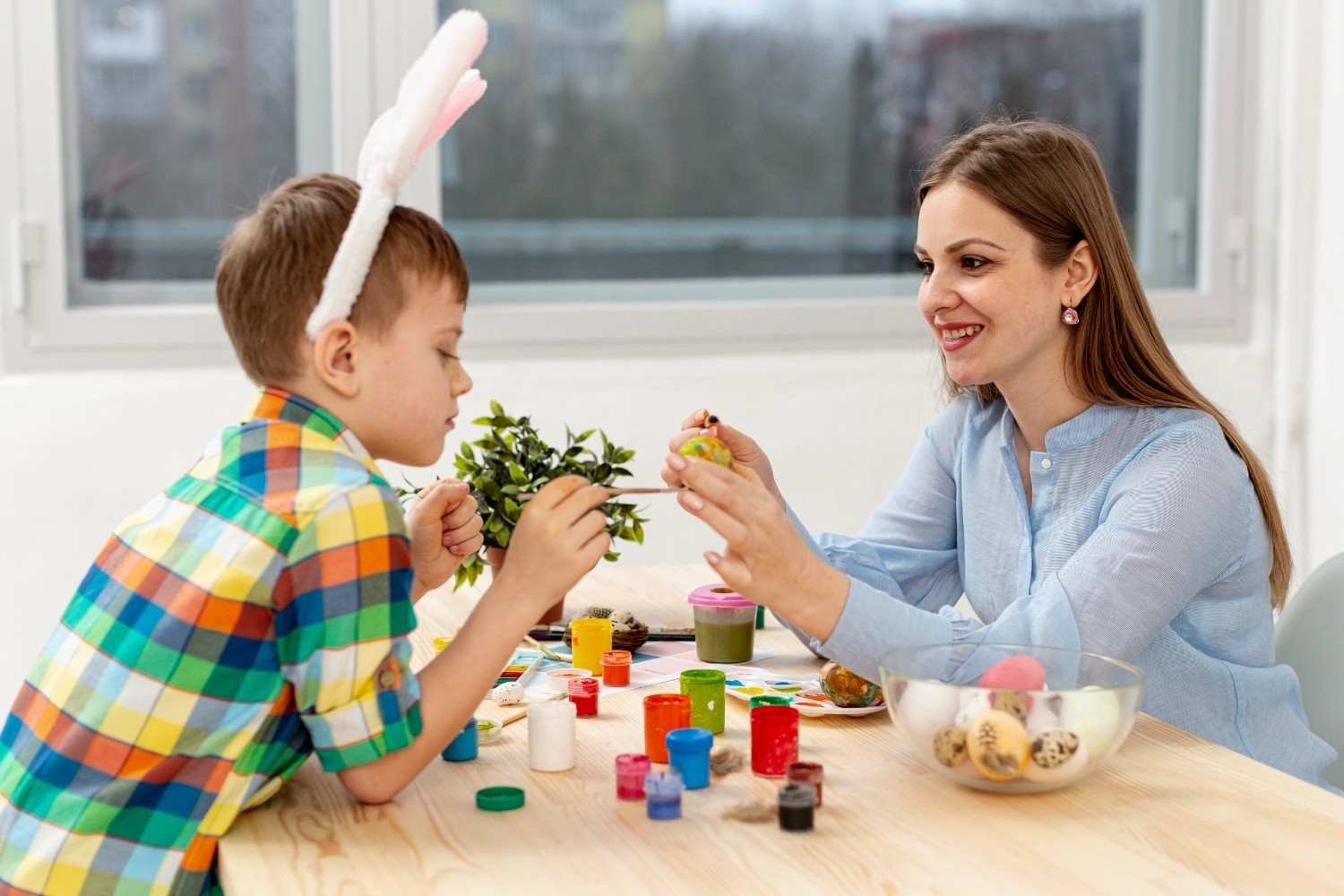
Learning to resolve minor playmate disputes over toys teaches children communication skills and emotional compromise strategies early.
Guided conflict resolution transforms toddler disagreements into valuable social learning moments. Constructive guidance builds interpersonal intelligence.
Critical Windows for Language Acquisition and Literacy Readiness
The early childhood years represent a uniquely sensitive period for language development. A child’s brain is naturally primed to absorb vocabulary, sentence structures, and subtle phonetic distinctions effortlessly during the first five years of life.
Exposing young children to rich spoken language—through conversation, singing, storytelling, and reading aloud daily—expands their receptive and expressive vocabulary exponentially. Children surrounded by abundant language build larger vocabularies, which correlates directly with future reading comprehension and academic achievement in elementary school.
Furthermore, early language experiences cultivate phonological awareness—the ability to recognize and manipulate distinct sounds within words. Singing nursery rhymes and identifying letter sounds through playful games lay the foundational groundwork for effortless early reading and writing skills.
Expanding Vocabulary Through Daily Storytelling
Reading interactive picture books daily exposes toddlers to complex vocabulary words rarely encountered in casual household conversation.
Asking open-ended story questions encourages young children to express thoughts clearly using new descriptive words. Daily reading accelerates vocabulary expansion.
Building Phonological Awareness for Future Reading
Playing with rhyming words and rhythmic sound games helps young brains segment spoken words into distinct phonetic units.
Mastering early sound discrimination simplifies future formal reading instruction in primary school settings. Phonological awareness secures literacy success.
Developing Foundational Motor Skills and Physical Health
Physical development during early childhood encompasses far more than simple growth in height and weight; it involves mastering complex gross and fine motor coordination that supports lifelong physical competence and health.
Gross motor development—such as running, balancing, jumping, and climbing—strengthens muscle groups, improves spatial awareness, and builds cardiovascular endurance. Outdoor physical play encourages risk assessment, physical confidence, and healthy lifestyle habits that combat childhood obesity.
Simultaneously, fine motor activities—such as manipulating modeling clay, threading large beads, holding crayons, and using child-safe scissors—strengthen tiny hand muscles and refine eye-hand coordination. Developing fine motor precision is essential for writing, using tools, and accomplishing daily self-care tasks independently.
Strengthening Gross Motor Coordination Through Outdoor Movement
Navigating playground obstacles and running across uneven natural terrain develops balance, spatial perception, and core strength.
Active physical play fosters lifelong positive associations with physical exercise and outdoor exploration. Gross motor play builds bodily confidence.
Refining Fine Motor Precision for Academic Readiness
Pincer grasp activities like placing small pegs into boards build hand strength necessary for comfortable pencil control later on.
Fine motor dexterity empowers young children to dress themselves, feed themselves, and manipulate learning materials confidently. Fine motor mastery fosters personal independence.
Fostering Curiosity, Creativity, and Independent Problem-Solving
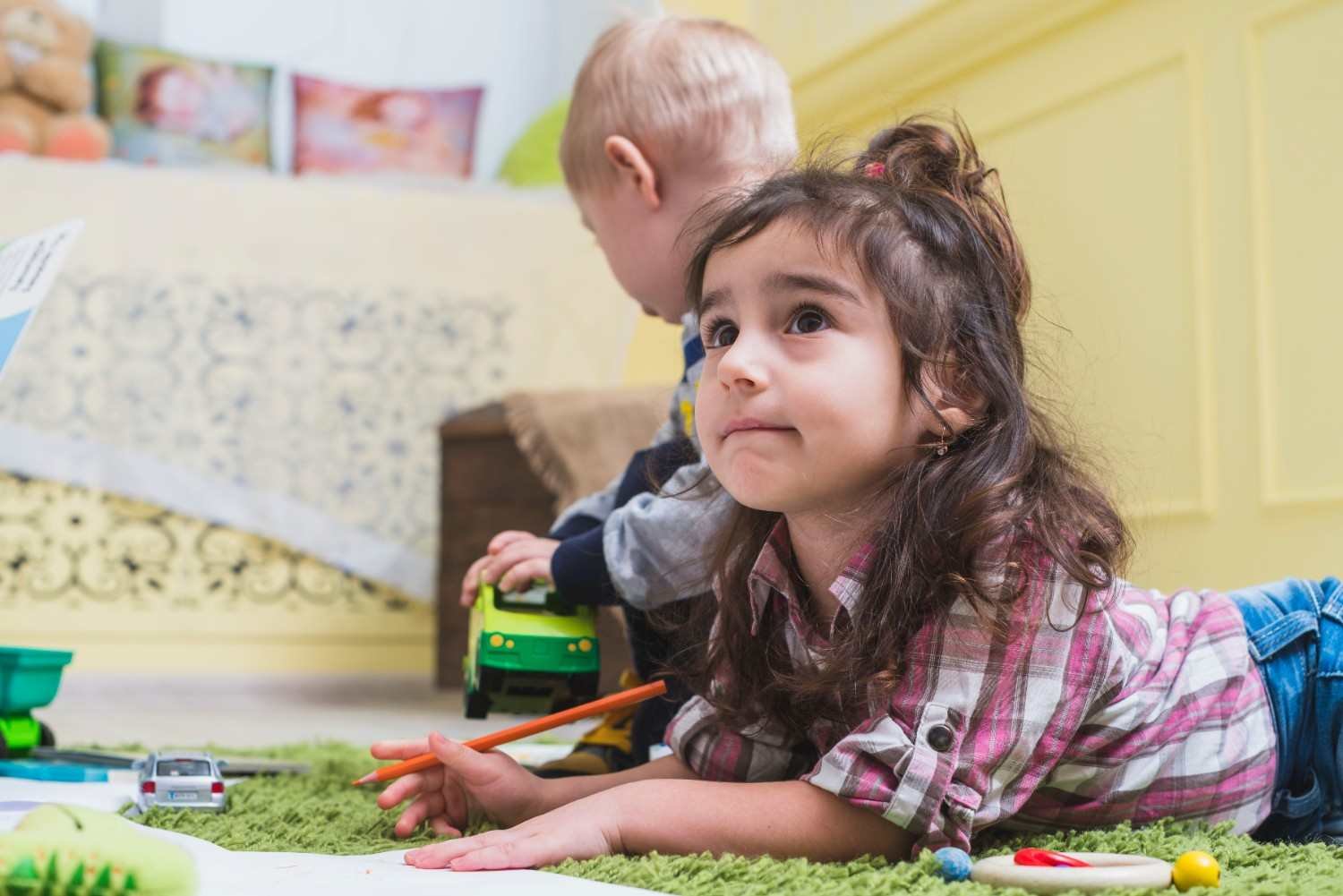
Children are naturally born with an insatiable sense of wonder and an innate desire to understand the world around them. The early years present an unparalleled opportunity to channel this natural curiosity into lifelong critical thinking and creative problem-solving capabilities.
Encouraging child-led exploration allows young learners to test hypotheses, observe cause-and-effect relationships, and learn through hands-on trial and error. When adults allow children space to solve simple age-appropriate challenges independently rather than stepping in immediately, children cultivate deep cognitive resilience and confidence in their own abilities.
Providing open-ended learning materials—such as wooden building blocks, art supplies, sand, and water—sparks imaginative creative play without restricting outcomes. Nurturing a child’s natural curiosity early instills a joy of learning that lasts a lifetime.
Encouraging Child-Led Problem-Solving and Trial
Allowing a child to figure out how to balance an unstable block tower independently builds spatial reasoning and mental perseverance.
Experiencing small, safe failures during play teaches children that mistakes are valuable steps in the learning process. Independent trial builds intellectual resilience.
Utilizing Open-Ended Materials to Ignite Creativity
Simple wooden blocks and art supplies allow children to invent their own play scenarios without rigid predetermined rules.
Open-ended play fosters flexible thinking, abstract reasoning, and creative expression simultaneously. Creative play unlocks innovative thinking.
Conclusion
The early years of a child’s life are a profound, irreplaceable window of opportunity that shapes the entire trajectory of human development. By fostering rapid brain architecture growth through responsive relationships, nurturing emotional resilience, guiding early social skill acquisition, expanding language competence, developing physical motor skills, and sparking innate curiosity, parents and educators build a secure foundation for lifelong success.
Investing time, love, and thoughtful educational care during these foundational first five years pays enduring dividends, ensuring children grow into confident, capable, and resilient individuals ready to navigate the world.