


Learning to drive is one of the most significant milestones in personal independence. Moving from the passenger seat to the steering wheel requires dedicated effort, practice, and proper instruction. Preparing for the official examination can feel overwhelming, but breaking down the process into structured phases makes success far more achievable. A driver’s license opens new opportunities for work, education, and travel, making the preparation well worth it.
Understanding the mechanics of driving is only the first step. Developing acute situational awareness, solid muscle memory, and an intimate knowledge of traffic regulations determines whether an applicant passes on their initial attempt. Approaching the practical exam with confidence requires methodically sharpening essential skills while eliminating common habits that lead to point deductions or automatic failure.
Mastering the Basics Before the Big Day
Understanding Traffic Signals and Road Signs
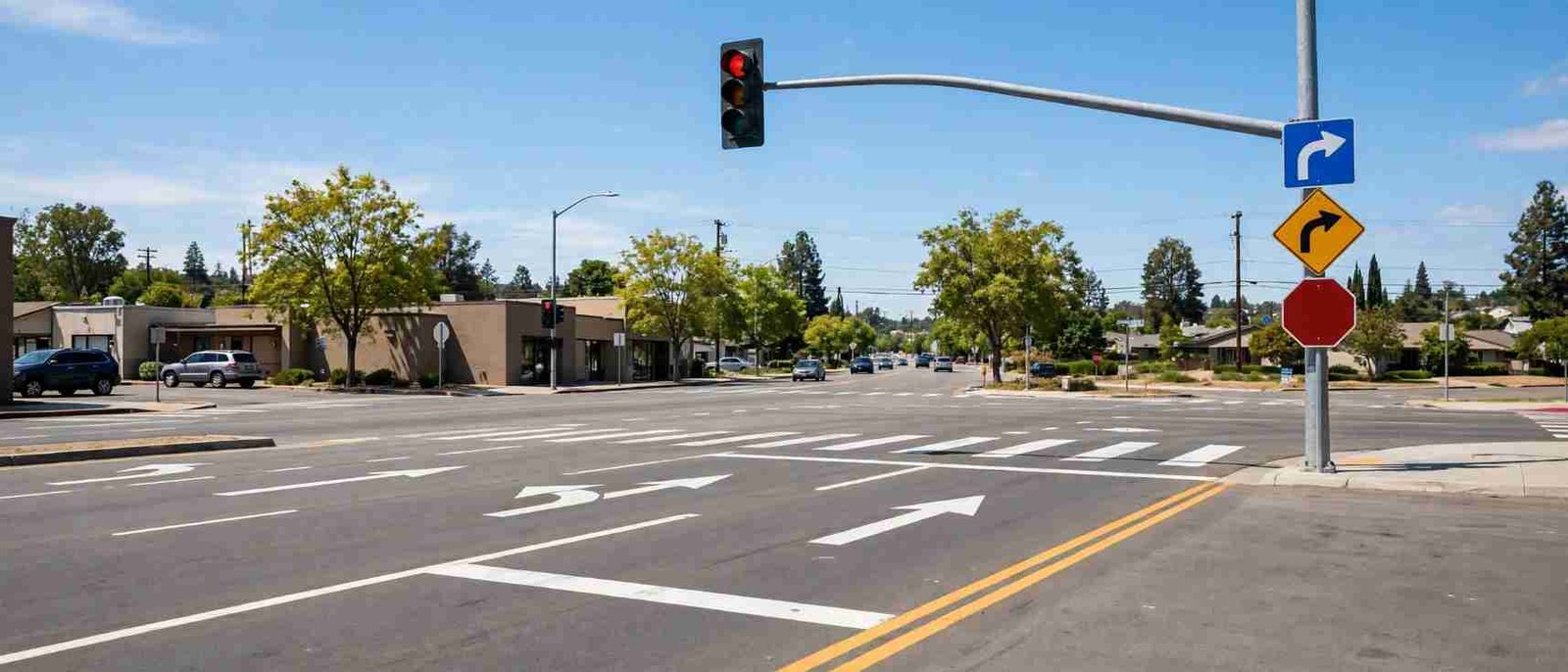
A fundamental component of passing the road test is recognizing and reacting promptly to all road markers. Applicants must understand standard shapes, colors, and symbols instantly without hesitation. Speed limit signs indicate maximum legal thresholds under ideal conditions, meaning drivers must slow down during adverse weather or heavy traffic. Stop signs require a complete physical cessation of motion behind the painted stop line or crosswalk, rather than a rolling pause.
Traffic signals require immediate, appropriate actions. Approaching a yellow light means stopping safely if possible, rather than accelerating to cross before the red light activates. Understanding lane markings, turn restrictions, and right-of-way rules at uncontrolled intersections prevents dangerous misunderstandings with other motorists during the evaluation process.
Perfecting Vehicle Control and Steering Techniques
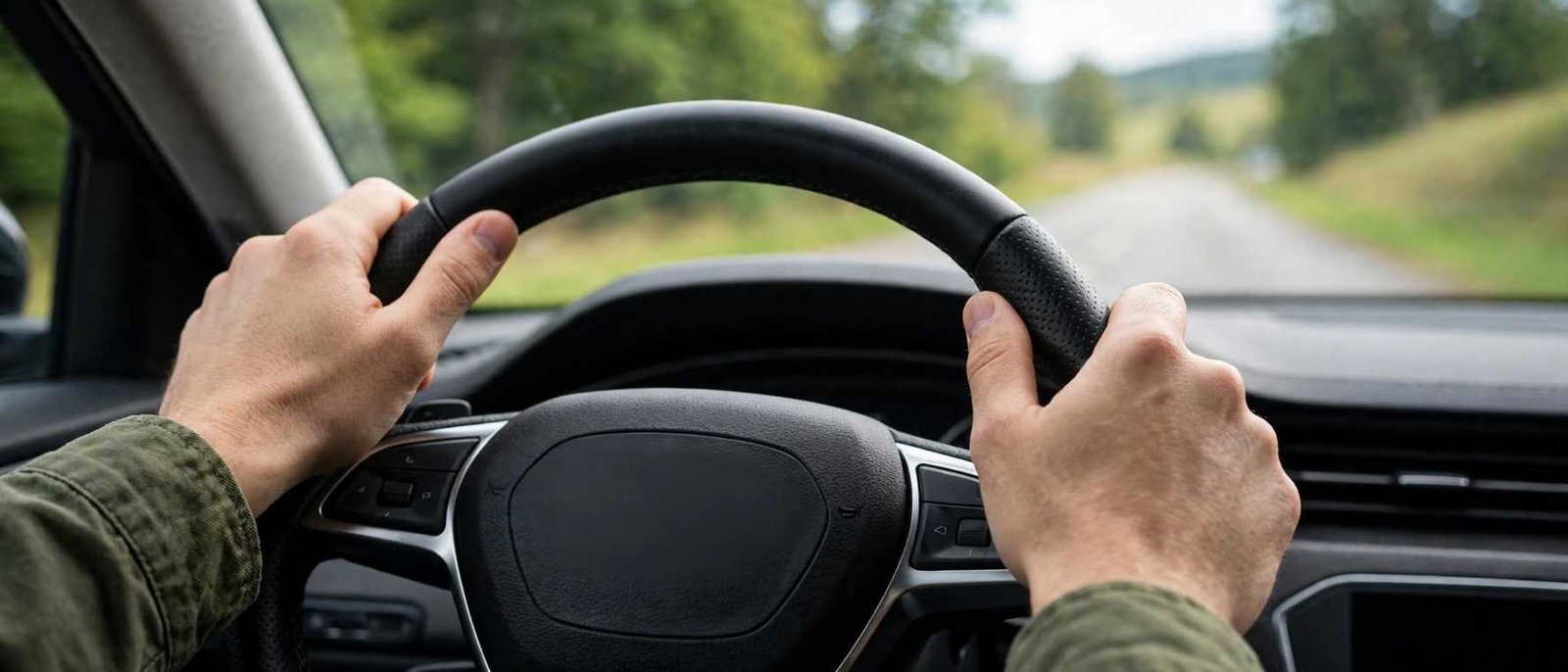
Smooth vehicle handling shows the examiner that a new motorist is completely in control of the automobile. Driver evaluation criteria heavily emphasize precise steering methods. The hand-over-hand or push-pull techniques allow for controlled execution of sharp turns while keeping both hands securely on the wheel. Avoiding understeering or oversteering around corners demonstrates spatial awareness and speed control.
Braking smoothly is another key indicator of driving readiness. Slamming on the brakes creates discomfort and indicates poor forward planning, whereas braking too late risks overshoot. Practicing gradual deceleration when approaching stop signs or red lights reflects foresight and composure. Similarly, smooth acceleration prevents engine strain and maintains vehicle stability.
Preparing Mental Focus and Technical Skills
Performing Pre-Drive Safety Checks
The practical examination begins before the vehicle even leaves the parking space. Examiners evaluate how well candidates execute routine safety protocol. Adjusting the rear-view and side mirrors to eliminate blind spots as much as possible is mandatory. Ensuring the seat is positioned for full pedal reach without stretching demonstrates proper ergonomic setup.
Fastening the seatbelt properly prior to starting the engine establishes safety awareness. Testing turn signals, headlights, windshield wipers, and the horn verifies that the vehicle is roadworthy. Familiarity with secondary controls, such as the hazard lights and defroster, prevents panic if weather conditions shift during the test.
Similarly, businesses can improve financial oversight by adopting technology for managing business expenses to monitor spending, organize records, and streamline expense reporting.
Navigating Parking and Reversing Maneuvers
Reversing requires precise spatial judgment and thorough visual sweeps. Relying strictly on mirrors or backup cameras is a common mistake that leads to lost points. Examiners expect drivers to physically turn their heads and look through the rear window while backing up, maintaining low speeds and active vigilance.
Parallel parking, three-point turns, and perpendicular parking test a candidate’s ability to manipulate a vehicle in tight spaces. Success relies on reference points, subtle steering adjustments, and constant monitoring of surrounding obstacles. Consistent practice in empty parking lots helps build accurate spatial perception before attempting these steps under evaluation.
Executing the Exam with Poise
Maintaining Active Observation and Mirror Usage

Observational habits are heavily scrutinized throughout the entire test route. Simply checking mirrors with eye movement is often insufficient for examiners to notice. Subtly rotating the head toward mirrors every five to eight seconds clearly demonstrates continuous environmental monitoring. Checking blind spots by looking directly over the shoulder before changing lanes or pulling away from a curb is essential to avoid immediate failure.
Pedestrian safety demands constant vigilance, especially when turning at intersections or navigating school zones. Yielding appropriate right-of-way to pedestrians, cyclists, and oncoming traffic demonstrates maturity and adherence to public safety laws.
Managing Test-Day Nerves and Final Checks
Anxiety is one of the most frequent reasons well-prepared students make avoidable errors. Adequate sleep, arriving early at the testing location, and conducting a final review of local driving laws help stabilize nerves. Treating the evaluator as a neutral guide rather than a strict critic fosters a calmer mindset.
Businesses can also simplify paperwork and approval workflows by using electronic signature tools for businesses, which help manage documents digitally.
Completing comprehensive professional driving instruction greatly improves pass rates. Enrolling in an online driving school in Utah allows flexible review of theoretical principles, road rules, and hazard identification strategies. Paired with consistent behind-the-wheel practice under various traffic conditions, structured study transforms nervous beginners into capable, licensed motorists ready for the open road.