

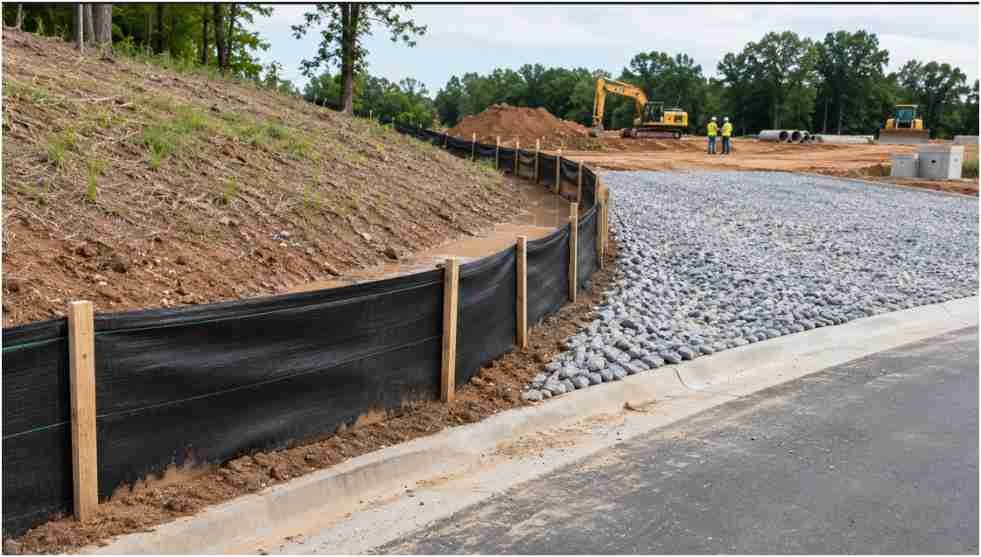
Construction activities naturally alter landscapes, removing vegetation and exposing raw soil to wind and rain. When precipitation falls on an unprotected job site, running water picks up sediment, chemicals, debris, and oil, carrying these pollutants directly into local waterways and storm sewer systems. Stormwater inspections are critical regulatory evaluations designed to ensure that development projects do not compromise public water quality or violate environmental protection mandates.
Passing an inspection on the initial attempt prevents project delays, avoids costly regulatory fines, and maintains a positive reputation with local permitting authorities. Compliance requires an active, site-wide commitment rather than a last-minute rush before the inspector arrives. Understanding what inspectors look for and how to maintain controls systematically ensures continuous inspection readiness throughout every phase of development.
Essential Pre-Inspection Preparation
Establishing a Complete Stormwater Plan
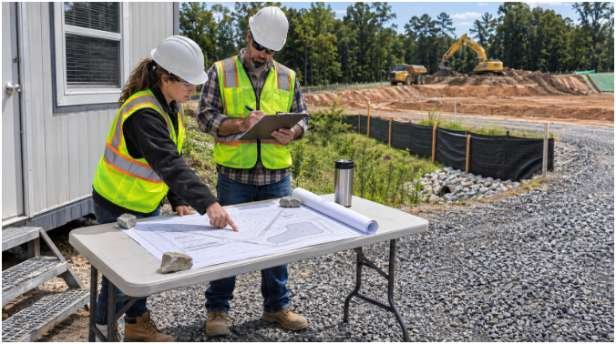
The foundation of any successful inspection is a comprehensive and up-to-date site plan. Regulatory guidelines require developers to maintain a detailed blueprint outlining all temporary and permanent erosion controls, discharge points, structural practices, and site boundaries. This document must reflect real-time conditions on the ground, meaning any physical modifications made during earthmoving or grading must be immediately updated on the master plan map.
In addition to physical site maps, documentation must include logbooks detailing routine self-inspections, maintenance activities, weather tracking, and rainfall monitoring. Inspectors begin their evaluations by reviewing these administrative records. Missing dates, incomplete entries, or outdated site diagrams raise immediate red flags before the inspector even steps foot onto the active soil.
Training On-Site Personnel and Subcontractors
Erosion and sediment controls fail most frequently due to human error and lack of awareness. Every crew member, machine operator, and subcontractor working on-site must understand basic environmental standards, which is essential for building business resilience against costly shutdowns and regulatory penalties. A single vehicle driving through a stabilized area or throwing concrete washout into an unapproved pit can cause an automatic inspection failure.
Holding regular site briefings ensures that workers understand which areas are off-limits, where designated washout facilities are located, and how to report damaged silt fences or blocked inlet protection. Assigning a trained site superintendent to oversee daily compliance creates a reliable point of contact who can address emerging issues before they escalate into major non-compliance issues.
Inspecting Perimeter Controls and Structural BMPs
Maintaining Perimeter Barriers and Silt Fences
Perimeter controls serve as the final line of defense to stop sediment from migrating off the property onto adjacent roads or waterways. Silt fences are among the most common sediment barriers, but they are also the most frequently installed incorrectly. Inspectors evaluate whether silt fabric is properly trenched at least six inches into the ground, securely stapled to sturdy posts, and placed along contour lines rather than down slopes.
Regular upkeep of silt fences and fiber rolls is essential. When sediment accumulates to one-third or one-half of the barrier height, crews must remove the build-up to restore full capacity. Overwhelmed, torn, or sagging fences indicate poor maintenance and will lead to immediate failure points on an inspection checklist.
Stabilizing Site Entrances and Exit Points
Tracking mud and sediment onto public roadways is one of the quickest ways to draw regulatory scrutiny. Construction site entrances require stabilized gravel pads composed of clean, crushed rock placed over geotextile fabric. These pads shake loose dirt and mud from tires as heavy machinery leaves the property.
Inspectors closely review exit points for signs of sediment tracking. If mud begins accumulating on public streets, sweeping must occur immediately using dry methods or vacuum sweepers rather than washing dirt into storm drains with water hoses. Installing tire wash stations or lengthening gravel pads provides extra protection for high-traffic entryways.
Managing Active Soil Areas and Runoff Controls
Implementing Timely Soil Stabilization
Exposed soil is exceptionally vulnerable to rain and wind erosion. Regulations dictate specific timelines for applying temporary or permanent stabilization measures whenever earth-disturbing activities cease in a specific section of the site. Leaving soil exposed beyond allowable timeframes is a frequent source of citations.
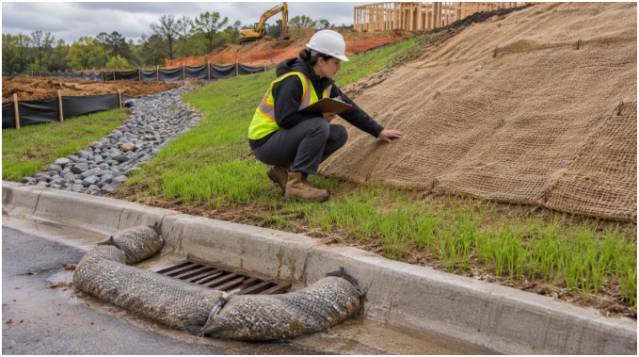
Effective stabilization methods include hydroseeding, straw mulching, soil binders, rolled erosion control blankets, and gravel cover. Applying these protective layers promptly shields topsoil from impact erosion and prevents deep gully formation during sudden downpours. Proper implementation of stormwater management in Idaho and similar regions requires matching stabilization techniques directly to local soil characteristics and seasonal precipitation patterns.
Protecting Inlets and Internal Drainage Systems
Internal storm drain inlets must be shielded to prevent sediment-laden runoff from entering underground pipe networks. Inlets can be protected using gravel bags, sediment traps, or specialized fabric inserts. Each structure must be secured properly so that heavy flows do not bypass the filter media or flood active work zones.
Inspectors check whether inlet filters are clogged with mud, leaf litter, or trash. Standing water around an inlet indicates that the filtering medium requires clearing or replacement. Keeping these structures clean ensures proper site drainage while capturing fine particles effectively.
Handling Materials and Pollution Prevention Practices
Managing Concrete Washout and Fueling Stations
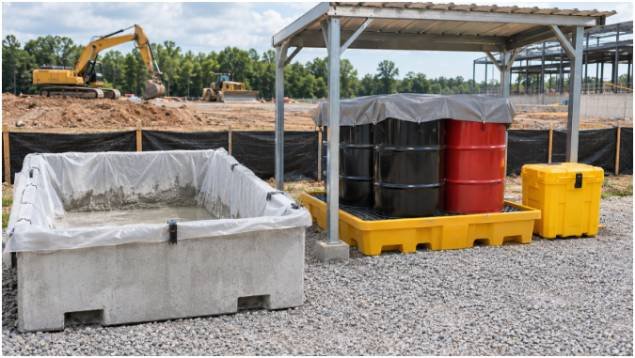
Sediment is not the only pollutant monitored during an inspection. Construction chemicals, fuel, paints, concrete slurry, and trash pose severe hazards to local watersheds. Inspectors carefully inspect concrete washout pits to verify that they are leak-proof, adequately sized, and clearly marked with functional signage.
Equipment fueling and maintenance areas must feature secondary containment units to catch accidental drips or leaks. Storing chemicals under covered shelters or impermeable tarps prevents rain from dissolving toxic compounds and carrying them into surrounding soils. Spill response kits containing absorbent pads and neutralizers should remain easily accessible near all fuel storage zones.
Conducting Regular Self-Inspections and Corrective Actions
The most reliable strategy for passing an official evaluation is conducting regular internal site audits. Walking the property weekly and within twenty-four hours after any significant rain event allows site managers to spot failing silt fences, overflowing washouts, or unstabilized slopes before an official evaluator arrives.
Documenting all self-inspections alongside immediate corrective actions demonstrates proactive management and good faith to environmental authorities—a lesson that underscores why remote industrial sites need better maintenance planning for reliable operations. When site crews consistently monitor, repair, and upgrade their environmental controls, passing official stormwater inspections becomes a predictable and stress-free process.