

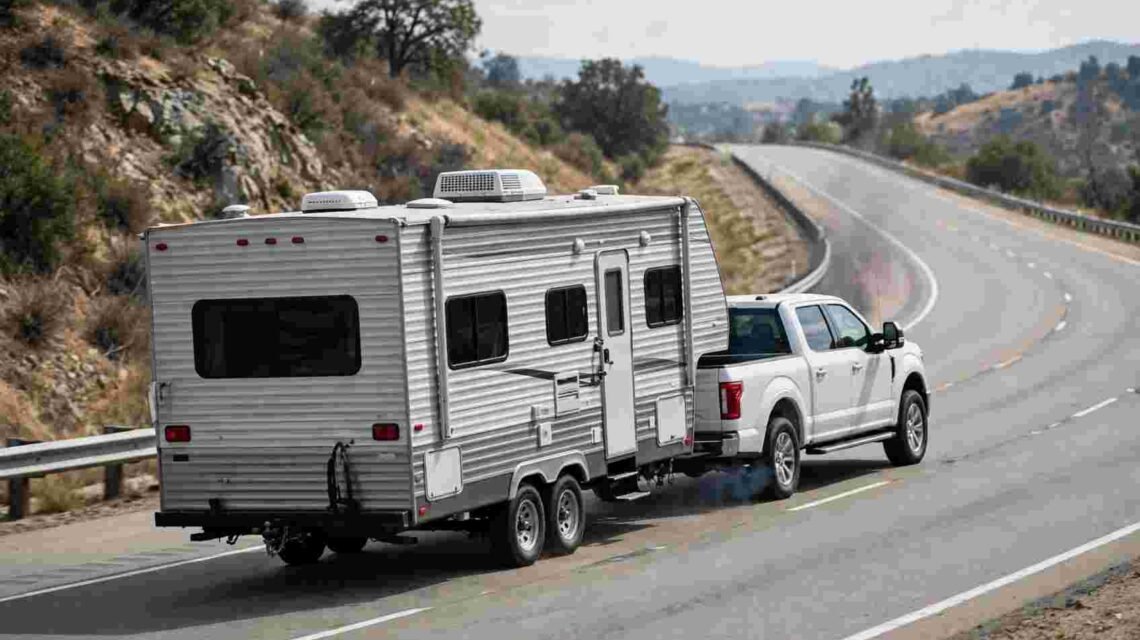
Cruising down the interstate with a travel trailer or boat in tow should feel steady and controlled. Yet, as you hit a slight highway incline or headwind, your vehicle’s engine suddenly roars. The tachometer jumps up a thousand RPM, holds for twenty seconds, drops into a quieter gear, and then revs back up again.
This frustrating cyclic shifting is known as “gear hunting.”
While modern automatic transmissions use computer logic to balance fuel economy with power, heavy towing pushes those algorithms to their limits. Gear hunting is not just an annoying quirk; it is a clear warning that your powertrain is struggling to maintain momentum. Left unchecked, the continuous friction and thermal buildup will drastically shorten your transmission’s lifespan.
What Is Transmission Gear Hunting?
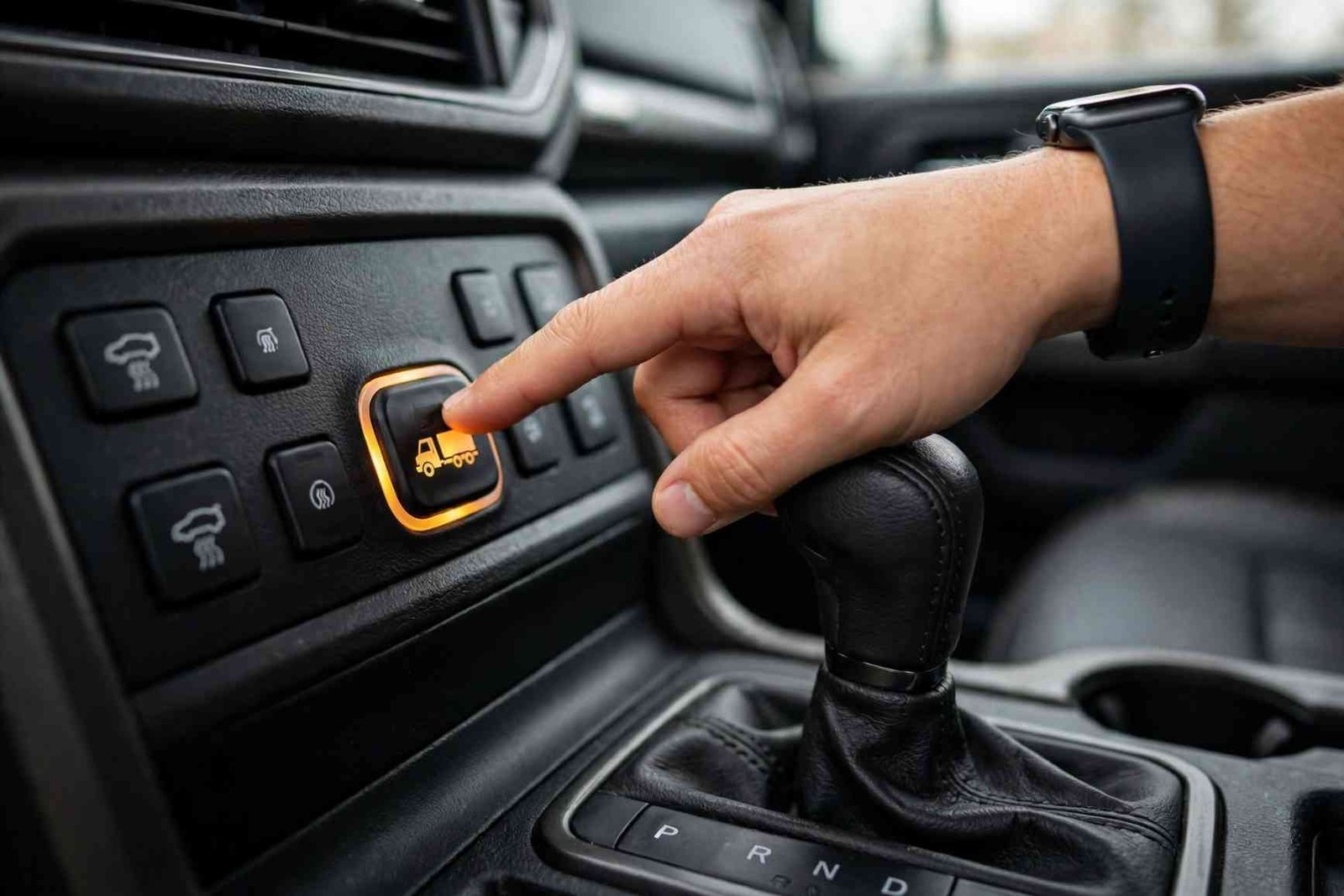
Transmission gear hunting occurs when an automatic transmission continuously cycles between gear ratios because the engine cannot maintain speed in a higher gear, but produces excess power in a lower gear.
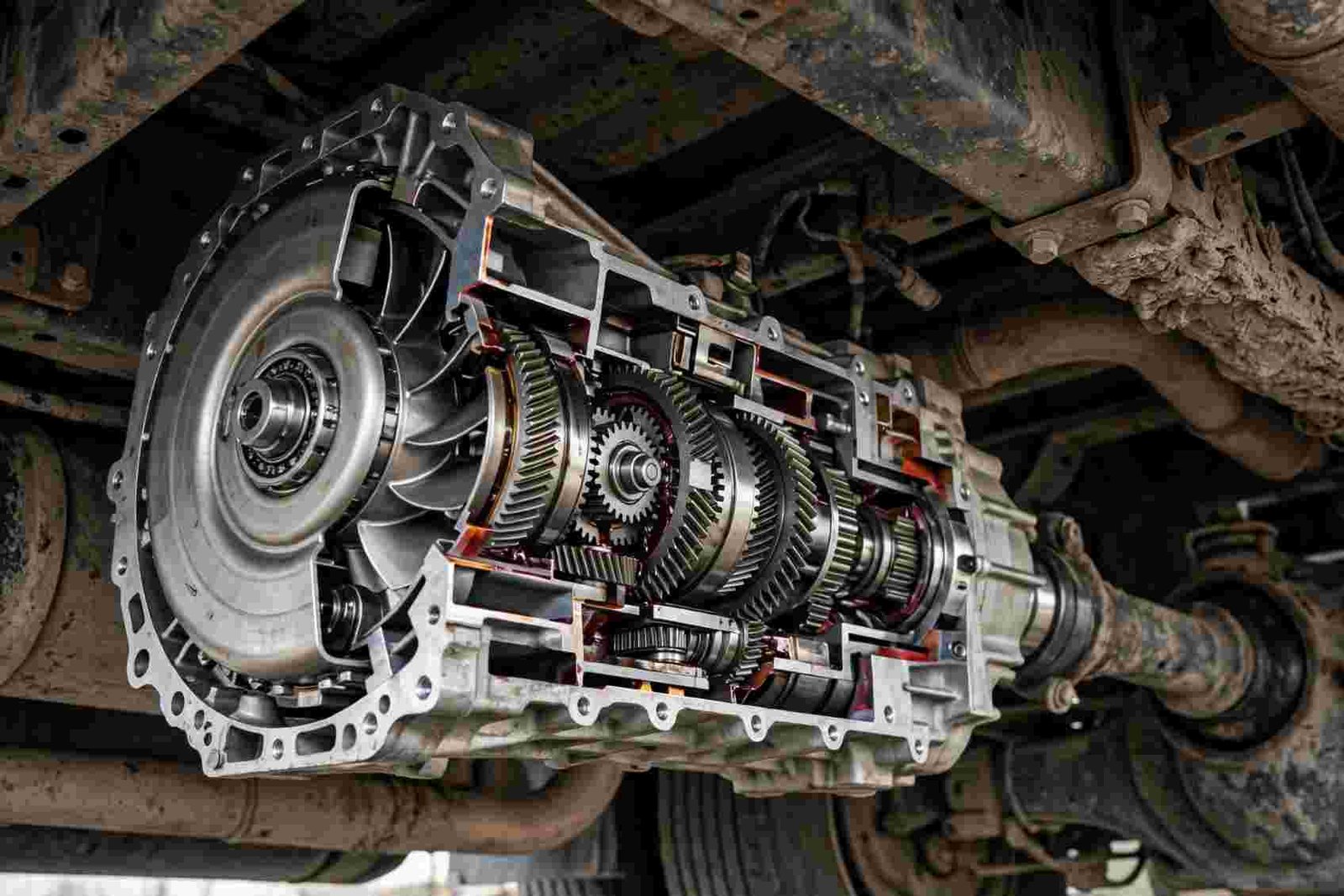
Modern trucks and SUVs feature 8-, 9-, or 10-speed transmissions with narrow gear ratios. When hauling heavy trailers, aerodynamic drag and road gradient require sustained torque. The transmission control module (TCM) recognizes speed dropping in an overdrive gear and commands a downshift.
Once in the lower gear, vehicle speed recovers, prompting the computer to upshift to conserve fuel. The moment the transmission re-enters the higher gear, the engine runs out of pulling power again, and the cycle repeats. This indecision strains clutch packs and disrupts stability.
1. Rhythmic RPM Spikes on Flat Ground or Gentle Grades
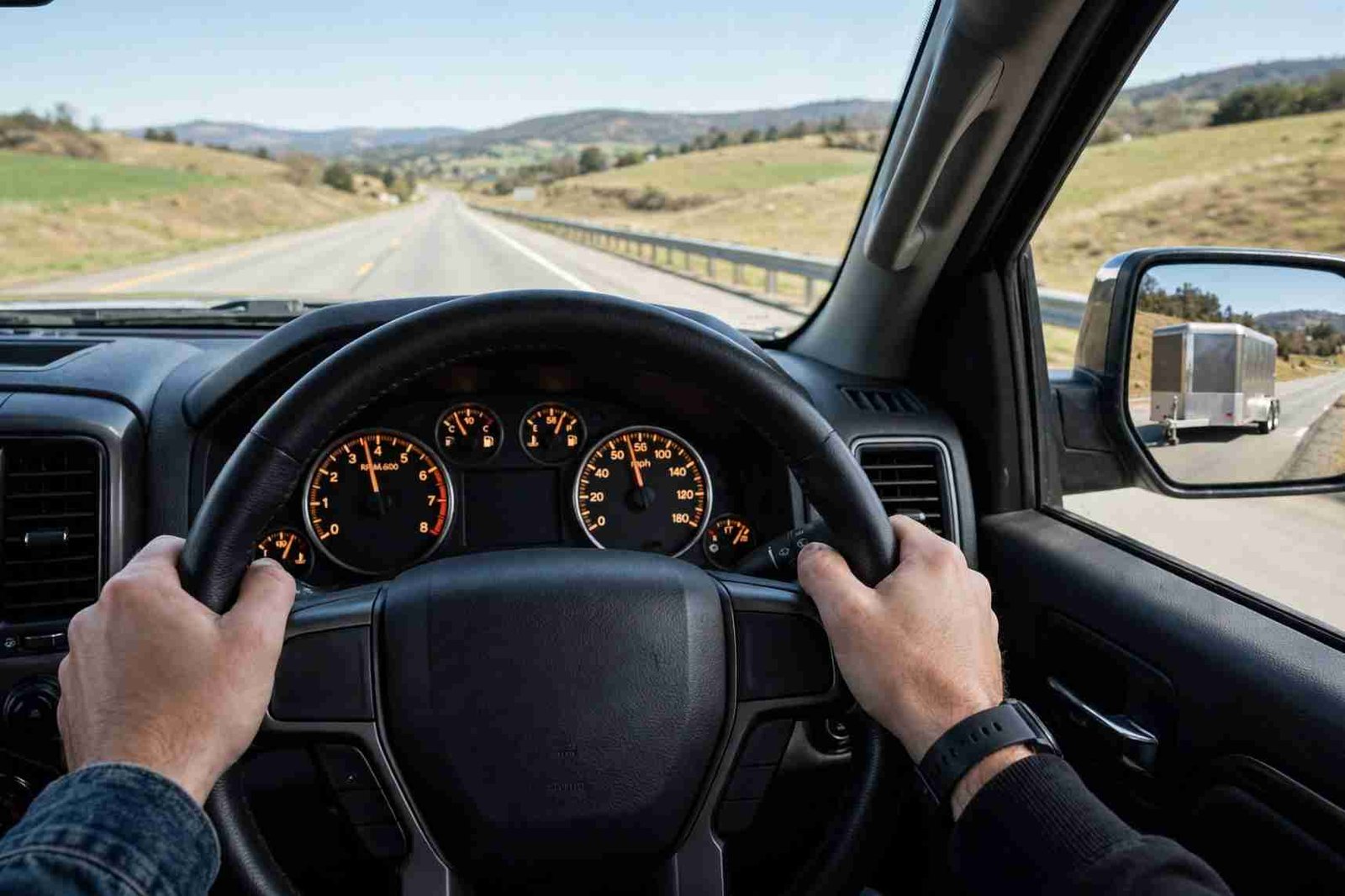
The earliest warning sign of gear hunting is rhythmic tachometer bouncing of 800 to 1,500 RPM every thirty to sixty seconds without changes in throttle pressure.
When a tow vehicle is properly matched to its load, engine speed remains relatively constant on level highways. However, if your transmission is hunting, engine pitch oscillates predictably. You may not notice a drastic change in road speed, but your ears will detect the engine working hard, quieting down, and straining again in rapid succession.
If this happens on flat asphalt, aerodynamic drag or high cruising speeds have exceeded the engine’s torque curve in its top overdrive gears.
2. Abrupt Downshifts and Shuddering Acceleration
Frequent gear hunting often manifests as harsh shift engagement, momentary vehicle hesitation, or a low-frequency shudder as the transmission searches for gear lockup.
As the transmission shifts back and forth under heavy load, the torque converter must unlock and re-lock repeatedly. This constant cycling creates noticeable driveline shudder.
Overlooked Consideration: Many drivers mistake shift shudder for tire imbalance. In reality, it often points to torque converter clutch slippage caused by repeated thermal stress during aggressive towing shifts.
When the transmission hesitates before clunking into a lower gear, hydraulic line pressure is struggling to clamp friction plates quickly enough under trailer weight.
3. Rapidly Climbing Transmission Fluid Temperature
Excessive gear hunting rapidly drives transmission fluid temperatures above safe operating limits, leading to burnt fluid, degraded friction materials, and accelerated mechanical wear.
Every time an automatic transmission shifts, internal clutch plates slip momentarily to smooth the transition, generating friction heat. In a locked gear, the torque converter provides a direct mechanical connection, keeping temperatures stable. During gear hunting, the torque converter constantly unlocks, generating massive shear heat in the fluid.
Monitoring your dashboard gauge is critical:
- Normal Range: 175°F to 200°F.
- Warning Zone: 210°F to 230°F, where fluid begins oxidizing.
- Failure Danger: Over 240°F, where seals harden and internal clutches glaze.
Unchecked transmission fluid overheating caused by endless cycling is a leading cause of roadside transmission failure while towing.
4. Practical Fixes: How to Stop Gear Hunting on the Highway
Drivers can stop transmission gear hunting by activating Tow/Haul mode, manually locking out higher overdrive gears, and reducing cruising speed.
Developing good driving habits and understanding how a vehicle responds to different road conditions are important for maintaining control behind the wheel. These fundamentals also matter when preparing for a driving assessment, and learning how to pass your driving test on the first try can help new drivers build confidence and demonstrate safe driving skills.
You do not have to let your transmission batter itself. A few simple adjustments immediately stabilize your drivetrain:
- Engage Tow/Haul Mode: Taking full advantage of tow haul mode benefits alters shift logic, holds gears longer, and increases line pressure to minimize unnecessary shifts.
- Lock Out Top Overdrive Gears: In an 8- or 10-speed truck, lock out top gears using shifter buttons. Running in a direct-drive gear keeps the engine in its optimal torque band without cycling.
- Reduce Cruising Speed: Dropping from 75 MPH to 65 MPH cuts aerodynamic resistance by nearly twenty percent, significantly reducing the torque required to pull the load.
5. When Gear Hunting Signals Internal Mechanical Trouble
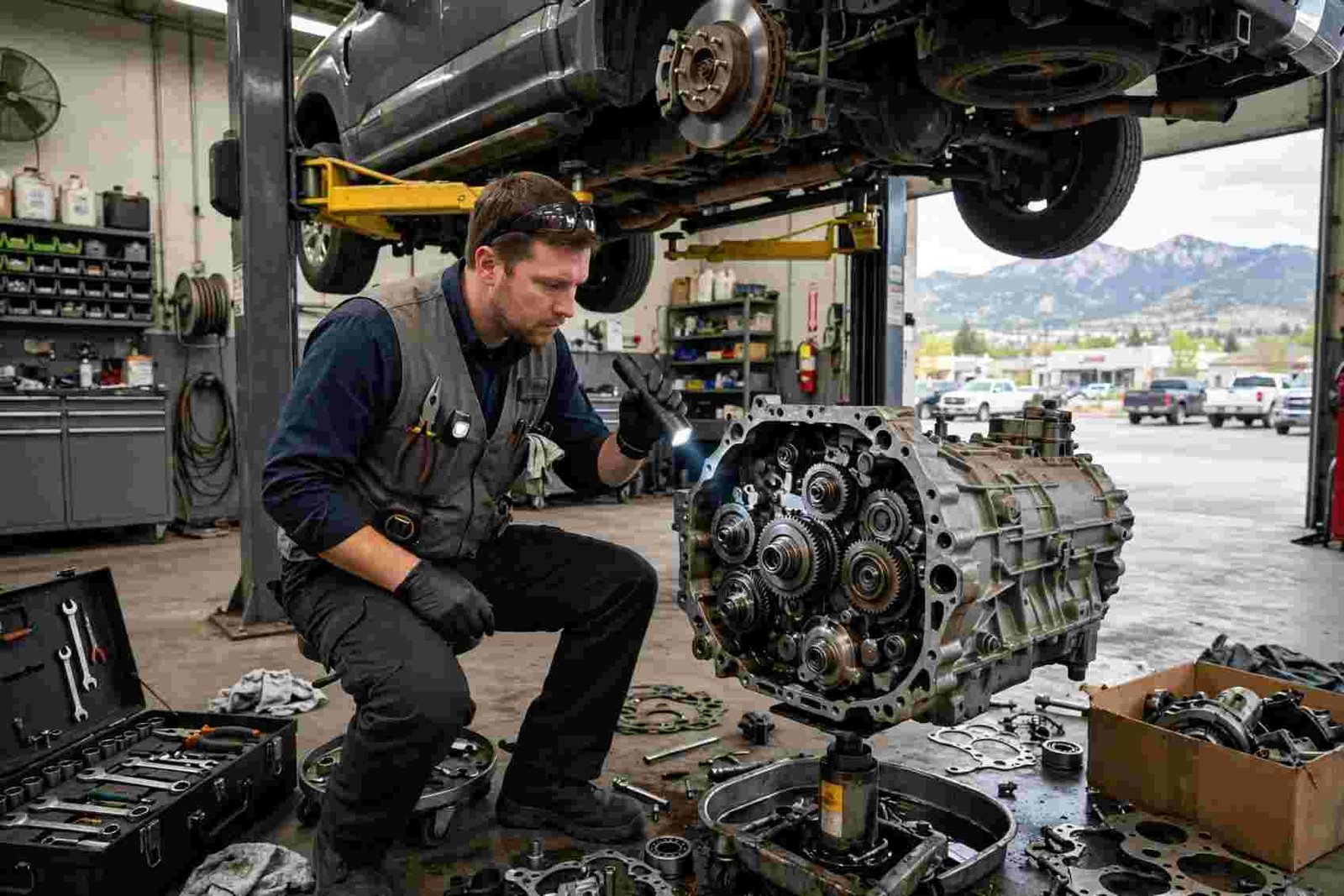
When gear hunting persists even with Tow/Haul mode engaged and top gears locked out, it indicates internal mechanical failure such as worn solenoid valves, failing valve bodies, or slipping clutch packs.
If your vehicle exhibits erratic shifting when unloaded, drops into limp mode, or delays engagement when shifting into Drive or Reverse, the issue extends beyond basic trailering physics. Contaminated fluid, burnt clutch plates, or sticking shift solenoids prevent the transmission from maintaining hydraulic pressure.
Towing heavy recreational vehicles through steep mountain corridors—such as navigating Parleys Canyon or the Wasatch Range—places immense strain on internal components. If lockouts and speed adjustments no longer resolve erratic shifting, seeking an evaluation from a dedicated specialist in auto transmission repair in Salt Lake City ensures worn valve bodies, compromised torque converters, and damaged clutch packs are diagnosed before complete transmission failure leaves you stranded.
Even when a transmission problem appears manageable, unexpected breakdowns can occur while towing, particularly on long highway journeys. Keeping essential emergency vehicle accessories in your vehicle helps you prepare for roadside situations, handle minor emergencies, and stay safer while waiting for professional assistance.
Gear hunting is an unmistakable cry for help from your tow vehicle’s powertrain. While modern transmissions are remarkably sophisticated, they cannot rewrite the laws of physics. Hauling tons of rolling weight against wind resistance requires sustained engine torque, not constant gear searching.
By understanding the warning signs—from rhythmic RPM surging and shift shudder to rising fluid temperatures—you can take immediate steps to protect your vehicle. Locking out high overdrive gears, engaging Tow/Haul mode, and respecting thermal limits preserves your transmission, keeps fuel consumption manageable, and ensures your next towing trip is safe and stress-free.