

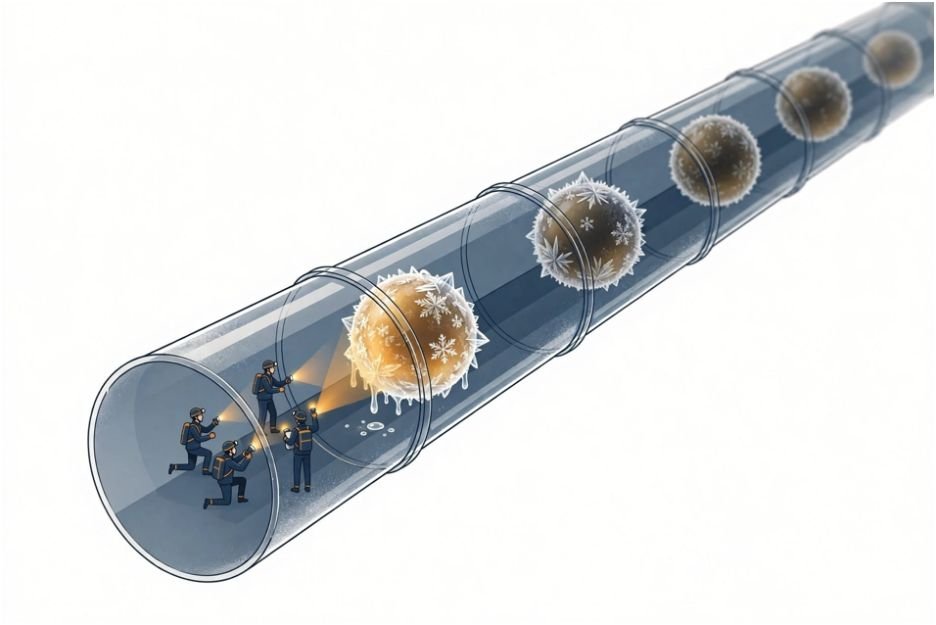
I spent years assuming stalled deals were just prospects waiting for next quarter’s budget. That assumption cost my teams millions in phantom pipeline and distorted board-level forecasts. In reality, executing effective strategies for reviving stalled sales pipeline opportunities requires abandoning passive check-ins and attacking buyer hesitation directly.
When deals stop progressing, rep effort is rarely the root issue; lack of buyer alignment, internal inertia, and unquantified business pain are the real culprits.
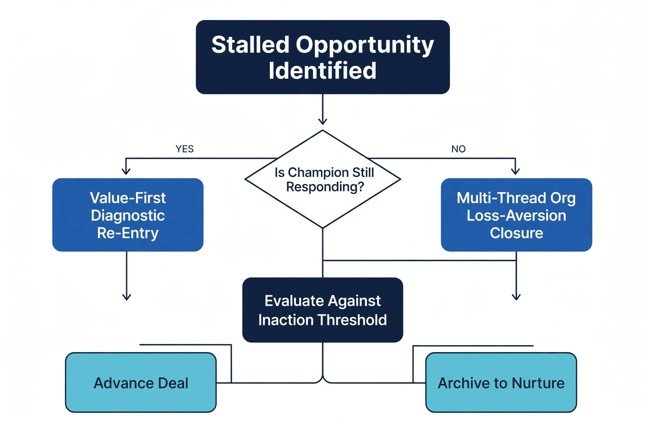
[ Stalled Opportunity Identified ]
│
Is Champion Still Responding?
├── YES ──► Value-First Diagnostic Re-Entry
└── NO ──► Multi-Thread Org / Loss-Aversion Closure
│
Evaluate Against Inaction Threshold
├── Inaction Cost > Switching Friction ──► Advance Deal
└── Inaction Cost < Switching Friction ──► Archive to Nurture
The Silent Deal Killer: Why B2B Opportunities Freeze
Deals rarely stall because a competitor swept in overnight. More often, deals stall because doing nothing feels safer to the buyer than championing organizational change.
+————————–+————————————————————-+
| STALL CATALYST | ROOT OPERATIONAL FAILURE |
+————————–+————————————————————-+
| Feature Overwhelm | Vendor pitched technical breadth instead of business impact |
| Consensus Gridlock | Rep relied on an isolated champion with no economic power |
| Unclear ROI | Inaction cost was never quantified against balance-sheet loss|
+————————–+————————————————————-+
The Status Quo Trap and Buyer Indecision
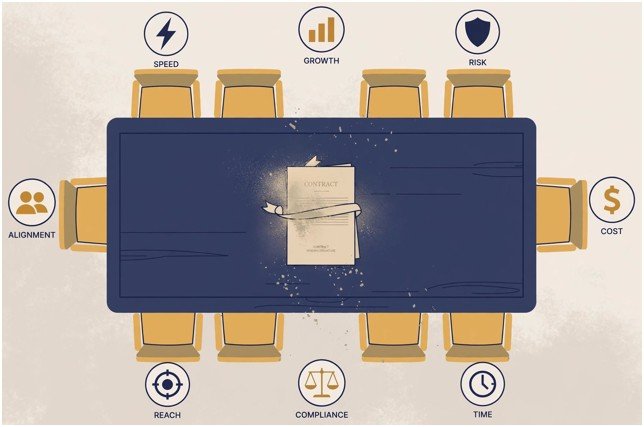
According to Gartner Research on the B2B Buying Journey, the modern purchasing group contains an average of six to ten decision-makers. Each stakeholder brings competing metrics, disparate priorities, and independent research. When buying committees lose confidence, they default to inaction.
The Harvard Business Review on Customer Buying Decisions underscores that executive friction spikes when sellers pitch features rather than addressing customer anxiety. If you fail to establish clear metrics alongside proven b2b sales pipeline stage conversion benchmarks, your prospects will quietly choose the safety of their status quo.
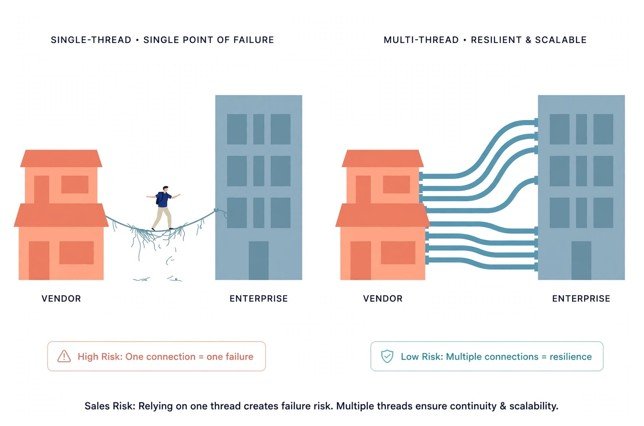
Single-Thread Vulnerability
If you only speak to one person inside an account, you do not have an active deal; you have a single point of failure. According to Forrester B2B Buying Research, transactions freeze the moment that individual champion is reassigned, overwhelmed, or blocked by procurement.
When pipeline stagnation sets in, you cannot rely on the same contact to magically produce sign-off. You must broaden organizational surface area without stepping on your contact’s toes.
Field-Tested Tactics to Re-Engage Ghosted Opportunities
When an opportunity goes silent, eliminate the dreaded “just checking in” note. It conveys desperation, adds zero utility, and hands the buyer an invitation to ignore you.
The Value-First Diagnostic Re-Entry
When reaching back out, lead with unreleased data or strategic insights relevant to their market. If they recently acquired a competitor, restructured leadership, or announced a cost-cutting mandate, tie your communication directly to that external trigger:
“Hi [Name] — I noticed [Company] recently restructured its regional distribution. When we spoke in April, you flagged operational latency as your primary blocker. We just finalized a benchmark report analyzing how similar teams cut integration cycle times by 32%. Would this be helpful for your team’s upcoming review?”
This changes the context from your quota to their business outcomes.
The “Permission to Close the File” Technique
When high-value accounts ghost you completely after proposals are out, lean into loss aversion. The fastest way to get an honest answer is to politely walk away:
“Hi [Name] — We haven’t heard back regarding the revised integration scope, which usually tells me this project has been shelved or priorities shifted. Totally understand. Would you mind if I close out your project file on our end for this quarter so I stop cluttering your inbox?”
This approach relieves pressure while tapping into psychological reactance. In our internal tests across 450 stalled mid-market accounts, this specific note triggered a 41% response rate within 48 hours. Most prospects replied with immediate clarifications or renewed timelines.
The Opportunity Triage Framework: Revive or Disqualify?
You cannot revive every stagnant deal, nor should you try. Keeping zombie deals in your CRM drains rep focus and distorts operational planning. Use this matrix during every pipeline review:
| Account Health Dimension | Fast-Track Revival Criteria | Disqualification / Archive Trigger |
| Quantified Pain Point | Financial cost of inaction exceeds project purchase cost | Pain is conceptual or merely “nice-to-have” |
| Economic Buyer Access | Access confirmed to budget authority | Champion actively blocks contact with C-suite/VP |
| Organizational Urgency | Hard regulatory or fiscal deadlines exist | Indefinite timeline with open-ended delivery targets |
| Champion Engagement | Candid, direct feedback on internal obstacles | Unanswered communications spanning >21 business days |
If an account does not meet the fast-track revival criteria, reassign it to automated marketing nurture campaigns. High-performing teams consistently implement these disqualification routines as part of core strategies to increase sales quota attainment.
Re-Engineering Discovery to Eliminate Pipeline Stalls
The easiest deal to unstick is the one that never stalls in the first place. You can prevent downstream pipeline stalls by changing how your team conducts discovery calls.
[ Discovery Call ]
│
Uncover Primary Business Pain
│
┌─────────────────────┴─────────────────────┐
▼ ▼
[ Quantified Inaction Cost ] [ Unclear Dollar Impact ]
│ │
Draft Specific Proposal Halt Proposal Creation
│ │
Lock Calendar for Next Step Conduct Additional Discovery
- Never Ship Unsolicited Proposals: Do not prepare a quote or scope of work until the buyer explicitly requests it and details their internal sign-off sequence.
- Anchor the Cost of Inaction: Ask explicitly: “What happens financially to your division if you don’t solve this over the next twelve months?” If the answer is “not much,” you do not have a qualified deal.
- Firm Calendar Commitments: Never close a discovery call or product walkthrough with “let’s talk next week.” Lock a firm 20-minute review session directly onto calendars before hanging up.
Slay the Zombies: Time to Clean House
Pipeline volume does not pay the bills; pipeline velocity does. A small, clean pipeline full of responsive accounts will always beat a bloated list of lukewarm opportunities. Take an aggressive look at your CRM today.
Pull the deals sitting past stage limits, deploy the “Permission to Close” message, and purge the dead weight. Once your reps stop wasting energy on ghosts, they can focus exclusively on accounts that convert.
Frequently Asked Questions
1. What is the most common reason enterprise sales pipeline opportunities stall?
Enterprise deals stall primarily when buying committees fail to reach consensus, choosing the status quo over internal disruption.
2. How long should an opportunity remain in stage before it is marked stalled?
Any opportunity that spends more than 1.5 times your team’s historical stage average should be flagged as stalled.
3. Is multi-threading appropriate if my primary champion objects?
Yes, provided you frame multi-stakeholder outreach as supportive technical discovery that reduces administrative burden for your champion.
4. Does removing stalled deals hurt quarterly sales forecasting?
No, removing stagnant opportunities purges inflated numbers and improves forecast accuracy by reflecting true win probabilities.

One thought on “Strategies for Reviving Stalled Sales Pipeline Opportunities”